A successful green transition depends not only on technological innovation but also on a skilled workforce capable of implementing sustainable solutions. To achieve this, stronger cooperation between Vocational Education and Training (VET) institutions and industry is essential.
Employers increasingly require workers who possess both technical expertise and practical experience. At the same time, educational institutions must ensure that their programmes remain aligned with evolving labour market demands. Close collaboration helps bridge this gap.
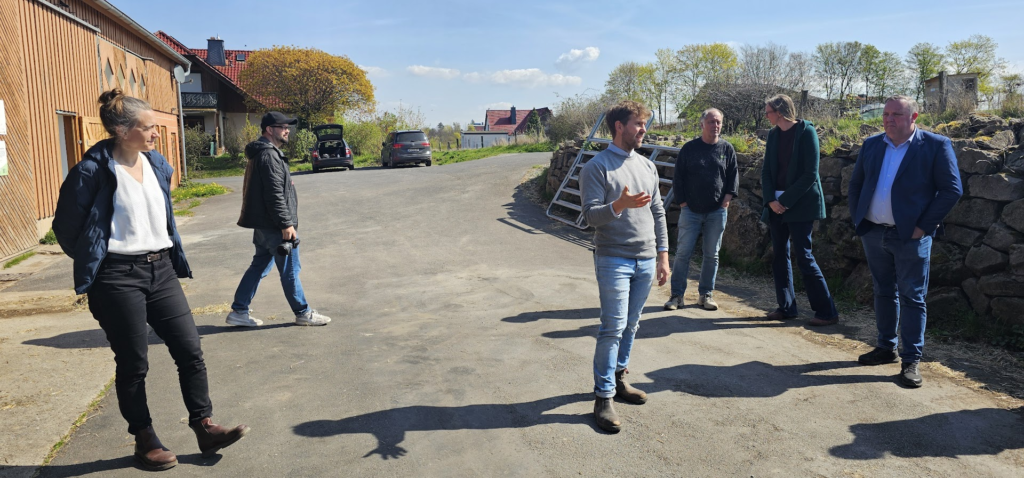
In the bioenergy sector, cooperation between education providers and businesses can take many forms. These include internships, apprenticeships, work-based learning opportunities, curriculum development, guest lectures, and joint innovation projects.
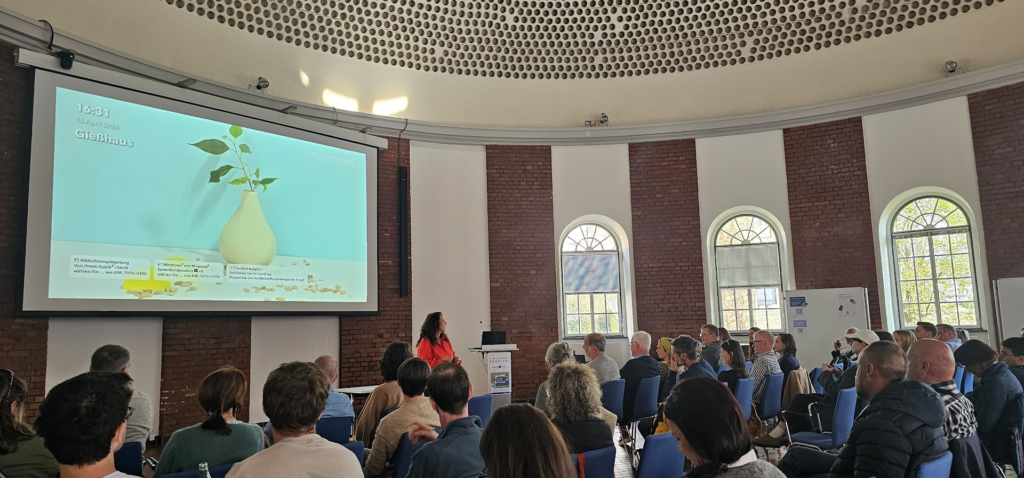
Such partnerships benefit all stakeholders. Students gain valuable hands-on experience and improve their employability. Businesses gain access to a pipeline of qualified professionals with relevant skills. Educational institutions receive direct feedback that helps improve training quality and relevance.
The bioenergy and biochar sectors are evolving rapidly due to technological developments, environmental regulations, and changing market needs. Continuous dialogue between VET providers and industry ensures that training programmes remain responsive and future-oriented.
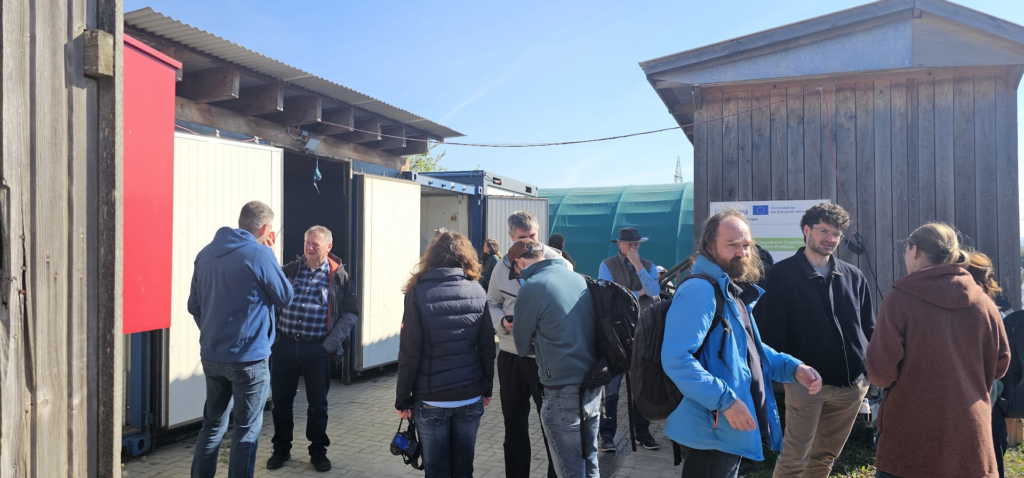
The B4CVET project actively promotes collaboration among educational institutions, businesses, and sector experts across Europe. By sharing knowledge and best practices, project partners contribute to the development of innovative training approaches that support both learners and employers.
Stronger connections between education and industry create a foundation for sustainable growth. By working together, stakeholders can develop the skills, innovation, and expertise required to support the future of bioenergy, biochar, and the broader green economy.
Disclaimer
Co-funded by the European Union. Views and opinions expressed are however those of the author(s) only and do not necessarily reflect those of the European Union or the European Education and Culture Executive Agency (EACEA). Neither the European Union nor EACEA can be held responsible for them.