Europe has committed to ambitious climate and sustainability targets aimed at reducing greenhouse gas emissions and achieving climate neutrality. To reach these goals, innovative solutions are needed across multiple sectors. Bioenergy and biochar are among the technologies that can make a significant contribution to this transition.
Bioenergy is produced from renewable biological materials such as agricultural residues, forestry by-products, and organic waste. Unlike fossil fuels, these resources can be replenished and managed sustainably. Bioenergy helps diversify energy sources and supports energy security while reducing environmental impacts.
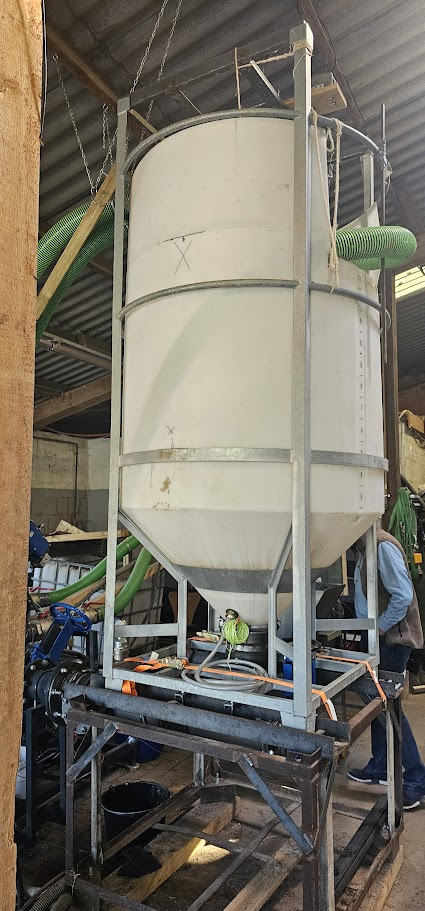
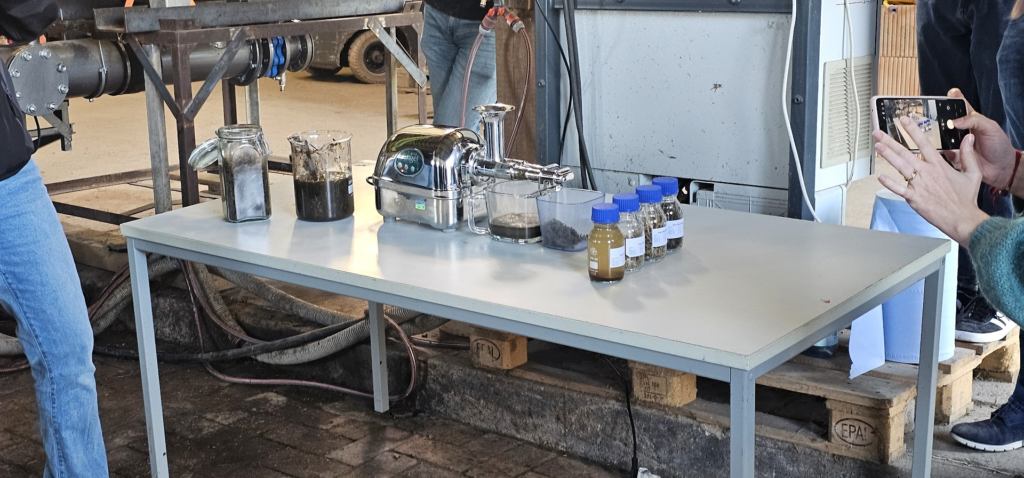
Biochar complements bioenergy by providing additional environmental benefits. Produced during biomass conversion processes, biochar captures carbon in a stable form and can be used to improve agricultural soils. This creates a unique opportunity to combine renewable energy production with carbon sequestration and sustainable land management.
Together, bioenergy and biochar support several European policy priorities, including climate action, resource efficiency, circular economy development, and sustainable agriculture.
The expansion of these sectors also creates new employment opportunities. Skilled workers are needed in biomass collection, processing, technology operation, environmental management, and research activities. This increases the importance of vocational education and training.
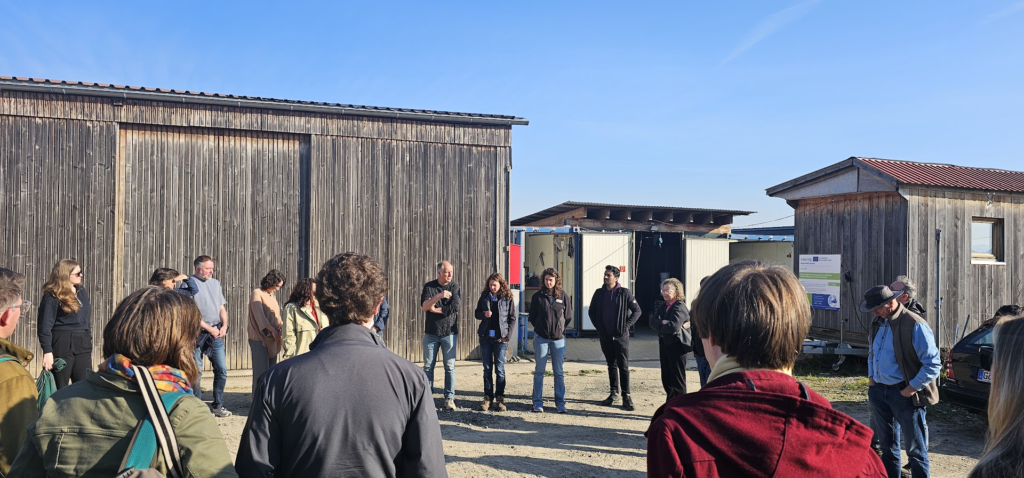
Through the B4CVET project, partners from different European countries are working together to strengthen vocational education for the bioenergy and biochar sectors. The project aims to equip learners and professionals with the competences needed to succeed in a rapidly evolving labour market.
Europe’s green transition requires both technological innovation and human capital. Bioenergy and biochar provide practical solutions that support environmental sustainability while creating opportunities for economic growth and employment.
Disclaimer
Co-funded by the European Union. Views and opinions expressed are however those of the author(s) only and do not necessarily reflect those of the European Union or the European Education and Culture Executive Agency (EACEA). Neither the European Union nor EACEA can be held responsible for them.