Across Europe, millions of tonnes of agricultural residues are generated every year. Crop residues, pruning waste, and other organic materials are often underutilized or disposed of in ways that provide limited environmental or economic value. However, innovative solutions are emerging to transform these materials into valuable resources. One of the most promising of these solutions is biochar.
Biochar is a carbon-rich material produced through the thermal conversion of biomass in a low-oxygen environment, a process known as pyrolysis. Rather than allowing agricultural waste to decompose or be burned openly, biomass can be converted into biochar and used in a variety of sustainable applications.
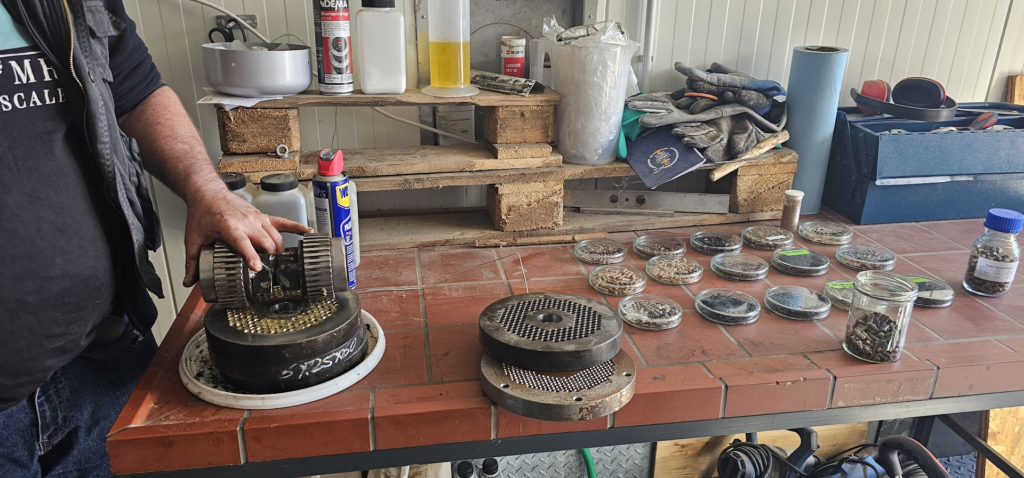
One of the main benefits of biochar is its ability to improve soil quality. When added to agricultural land, biochar can enhance soil structure, increase water retention, and improve nutrient availability for plants. This helps farmers improve productivity while reducing dependence on chemical inputs.
Biochar also plays an important role in climate action. Because it stores carbon in a stable form for long periods, it contributes to carbon sequestration and helps reduce greenhouse gas emissions. This makes biochar an important tool in supporting Europe’s environmental and climate goals.
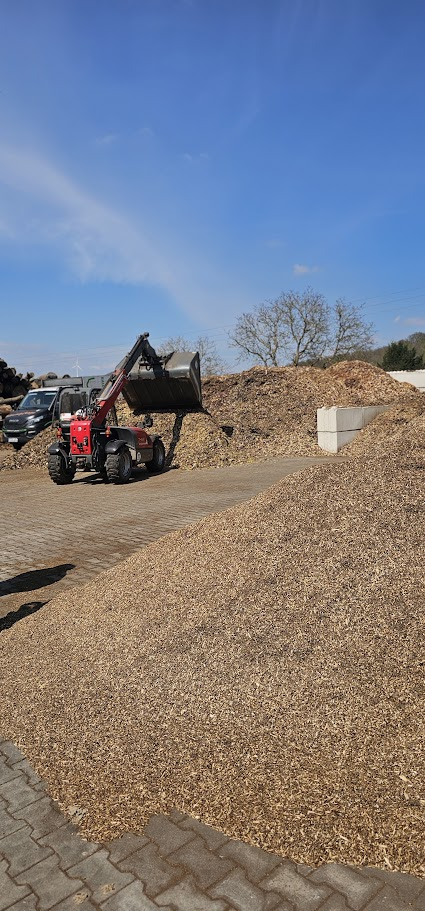
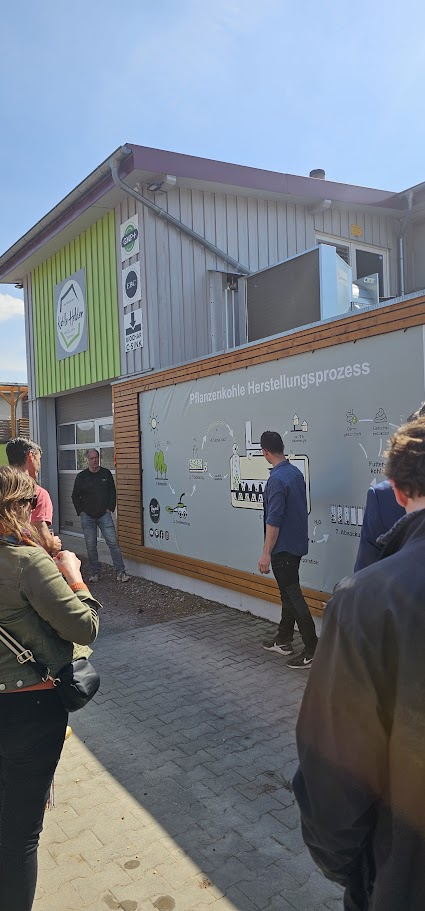
Beyond agriculture, biochar creates new economic opportunities. As demand grows for sustainable products and green technologies, new jobs and business models are emerging in biomass collection, processing, production, and environmental services.
The B4CVET project recognizes the importance of preparing learners and professionals for these emerging opportunities. By strengthening vocational education and training in the bioenergy and biochar sectors, the project supports the development of the skills needed for the green transition.
Through education, innovation, and collaboration, agricultural waste can become a valuable resource that supports sustainability, economic growth, and environmental protection. Biochar demonstrates how circular economy principles can transform challenges into opportunities for communities across Europe.
Disclaimer
Co-funded by the European Union. Views and opinions expressed are however those of the author(s) only and do not necessarily reflect those of the European Union or the European Education and Culture Executive Agency (EACEA). Neither the European Union nor EACEA can be held responsible for them.