
The transition towards a sustainable economy is transforming industries across Europe. As businesses adopt greener practices and governments implement ambitious environmental policies, the demand for workers with green skills continues to grow.
Green skills refer to the knowledge, competencies, values, and attitudes needed to support sustainable development. They enable individuals to contribute to resource efficiency, environmental protection, climate action, and innovation within their professions.
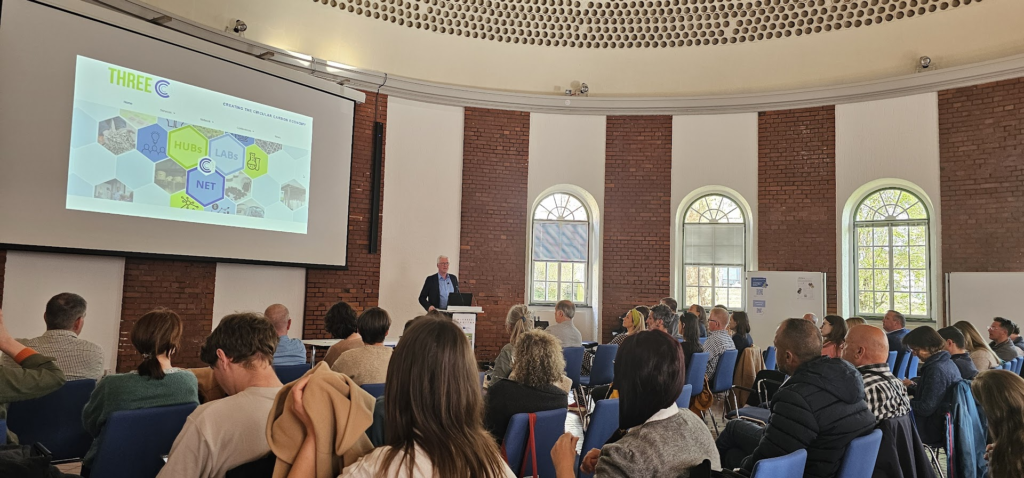
Vocational Education and Training (VET) institutions have a crucial role in preparing learners for these changes. By integrating sustainability topics into curricula and practical training, VET providers can equip students with the competences required in emerging sectors such as renewable energy, bioenergy, circular economy, and environmental management.
The bioeconomy offers significant opportunities for employment and innovation. It focuses on the sustainable use of biological resources to produce food, materials, energy, and other products. As this sector expands, employers increasingly seek professionals who understand sustainability principles and can apply them in real-world situations.
Learners need both technical and transversal skills. Technical skills may include biomass processing, renewable energy systems, environmental monitoring, and biochar production. Equally important are problem-solving, critical thinking, teamwork, entrepreneurship, and digital competences.
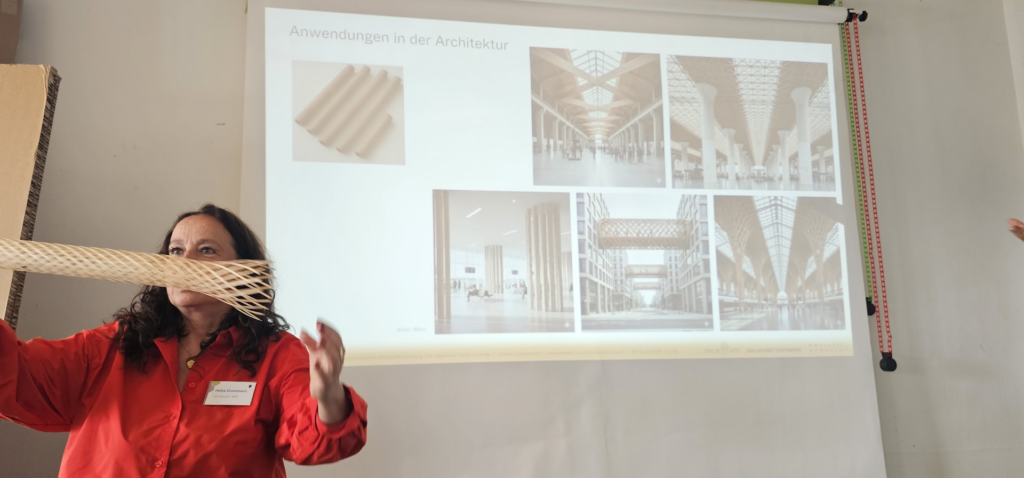
The B4CVET project aims to support this transformation by developing educational resources and strengthening cooperation between vocational education providers and industry stakeholders. Through international collaboration, the project helps ensure that training programmes remain relevant to labour market needs.
Investing in green skills today means investing in a more resilient and sustainable future. By empowering learners with the right competences, vocational education can become a driving force for innovation, competitiveness, and environmental responsibility throughout Europe.
Disclaimer
Co-funded by the European Union. Views and opinions expressed are however those of the author(s) only and do not necessarily reflect those of the European Union or the European Education and Culture Executive Agency (EACEA). Neither the European Union nor EACEA can be held responsible for them.