The concept of a Circular Carbon Economy is gaining increasing attention as countries seek sustainable solutions to climate change and resource management. Unlike traditional linear economic models, which follow a “take, make, dispose” approach, the circular carbon economy focuses on reducing, reusing, recycling, and removing carbon in productive ways.
Biomass plays a central role in this model. Agricultural residues, forestry by-products, and organic waste contain valuable carbon that can be recovered and reused rather than wasted.
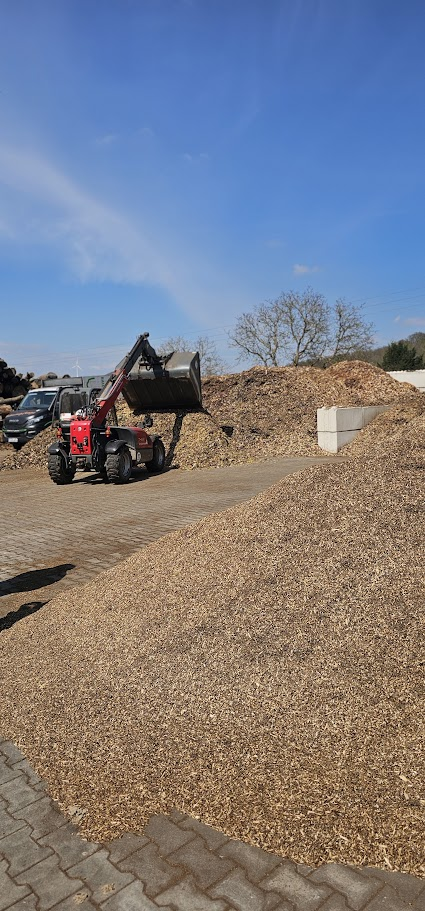
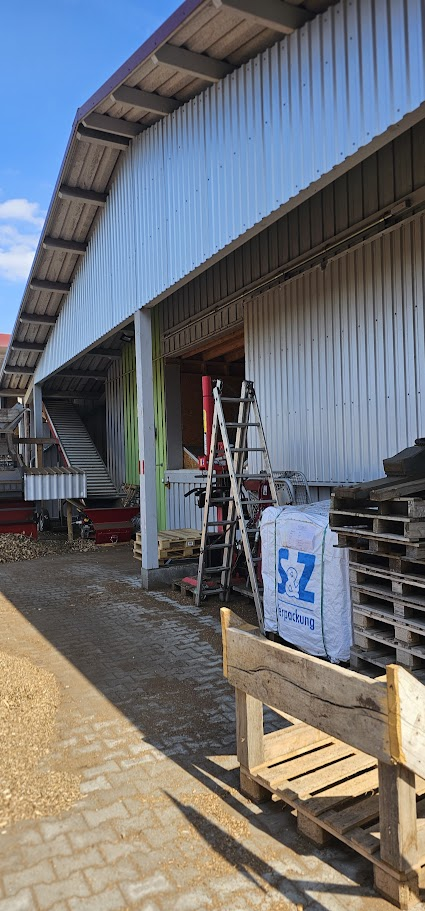
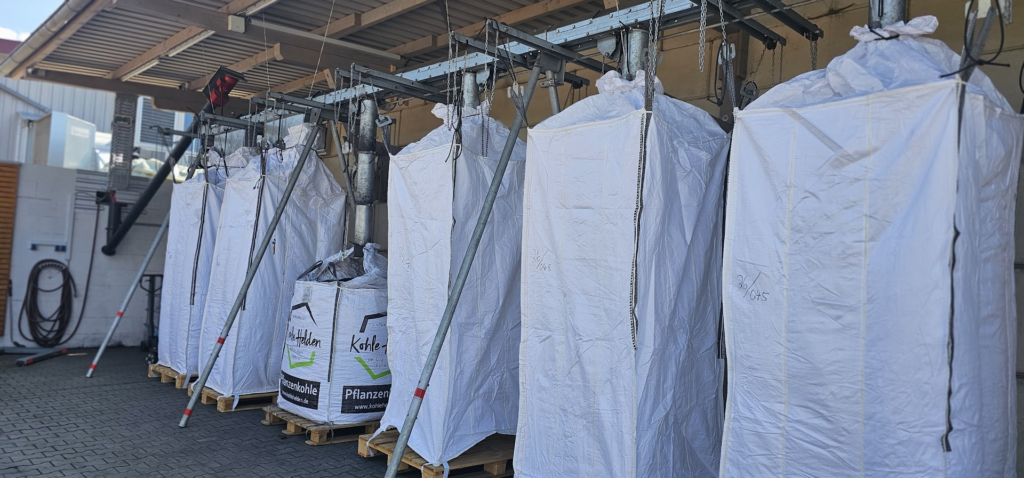
Through innovative technologies such as pyrolysis, biomass can be converted into products including biochar, renewable energy, and other bio-based materials. These products contribute to environmental sustainability while creating economic value.
Biochar is a particularly important component of the circular carbon economy. It allows carbon from biomass to be stored safely in soils for long periods, helping to reduce atmospheric carbon dioxide levels. At the same time, it improves soil health and supports sustainable agricultural production.
Innovation is essential to unlocking the full potential of biomass resources. Researchers, businesses, policymakers, and educational institutions must work together to develop technologies, business models, and training programmes that support sustainable growth.
The B4CVET project contributes to this effort by promoting vocational education in bioenergy and biochar-related fields. By equipping learners with practical and relevant skills, the project helps build the workforce needed to support Europe’s green transition.
The circular carbon economy demonstrates that environmental sustainability and economic development can go hand in hand. By transforming biomass into valuable products and services, communities can create jobs, reduce emissions, and build a more sustainable future.
Disclaimer
Co-funded by the European Union. Views and opinions expressed are however those of the author(s) only and do not necessarily reflect those of the European Union or the European Education and Culture Executive Agency (EACEA). Neither the European Union nor EACEA can be held responsible for them.