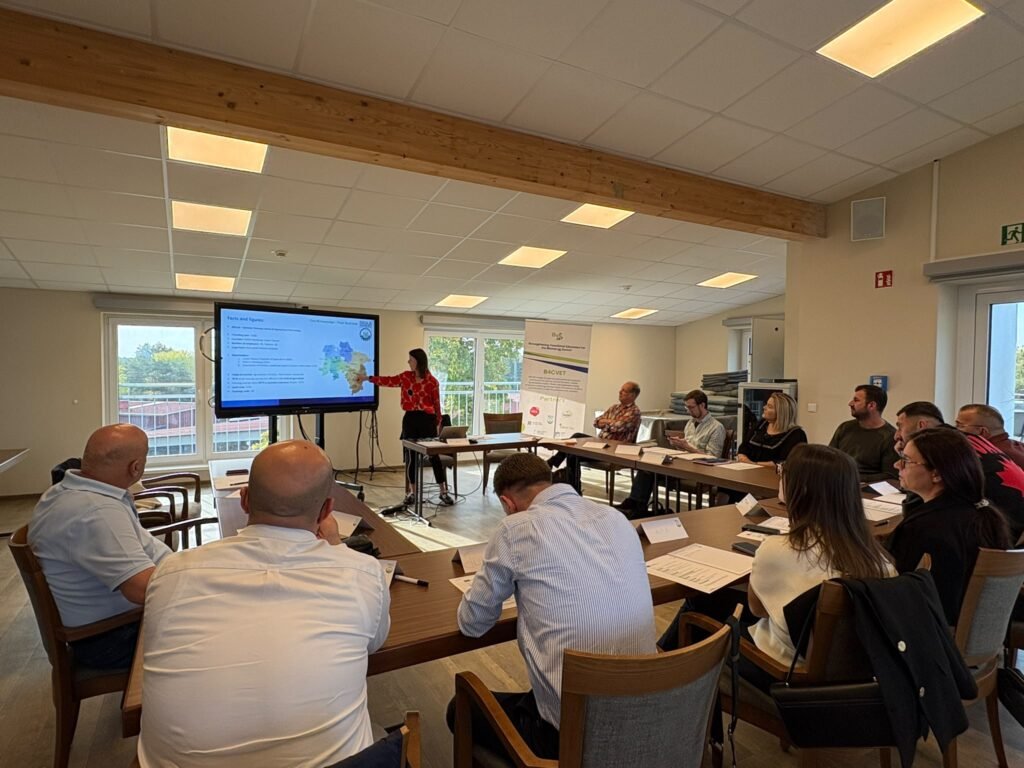
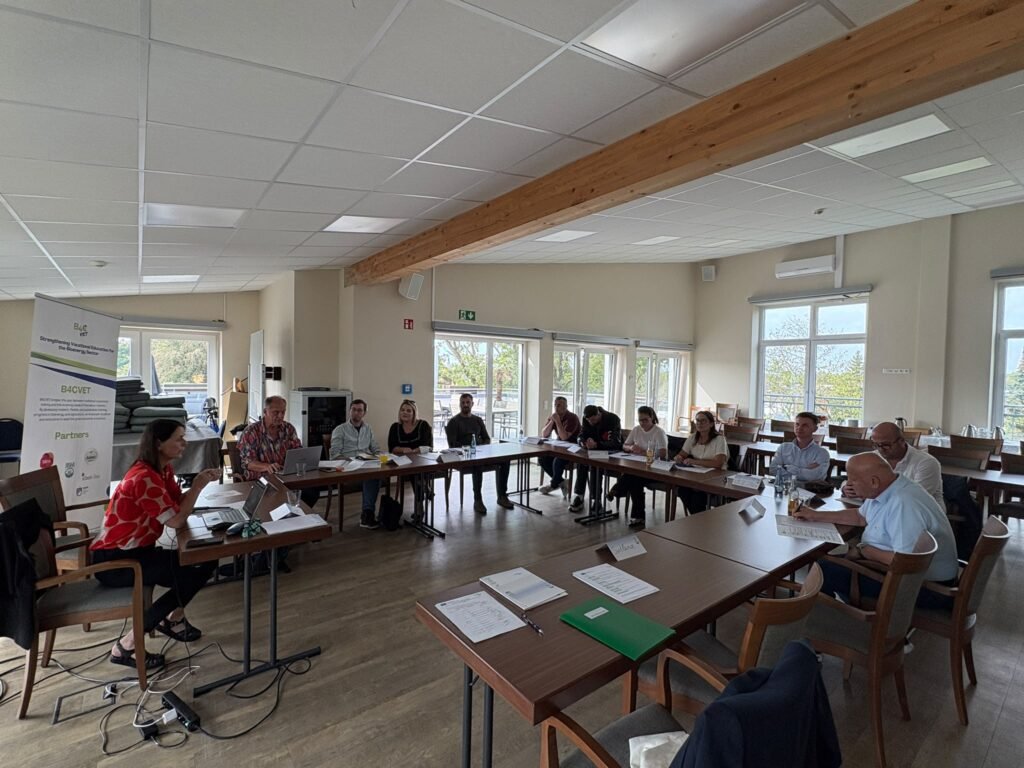
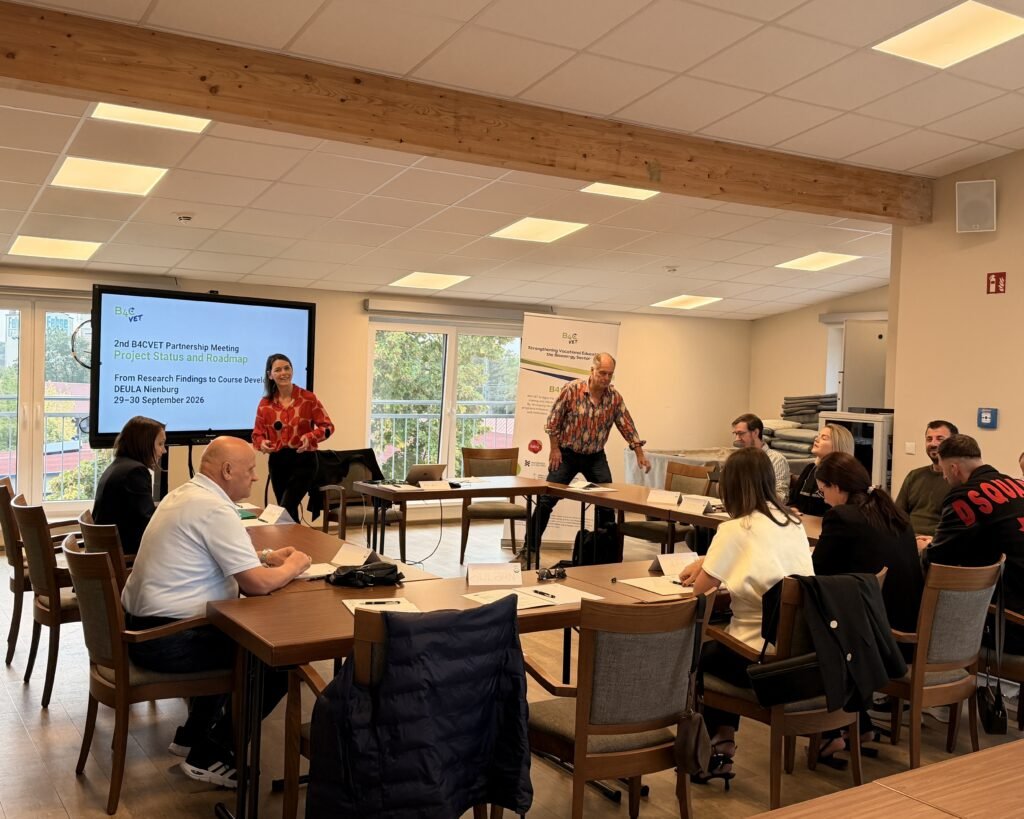
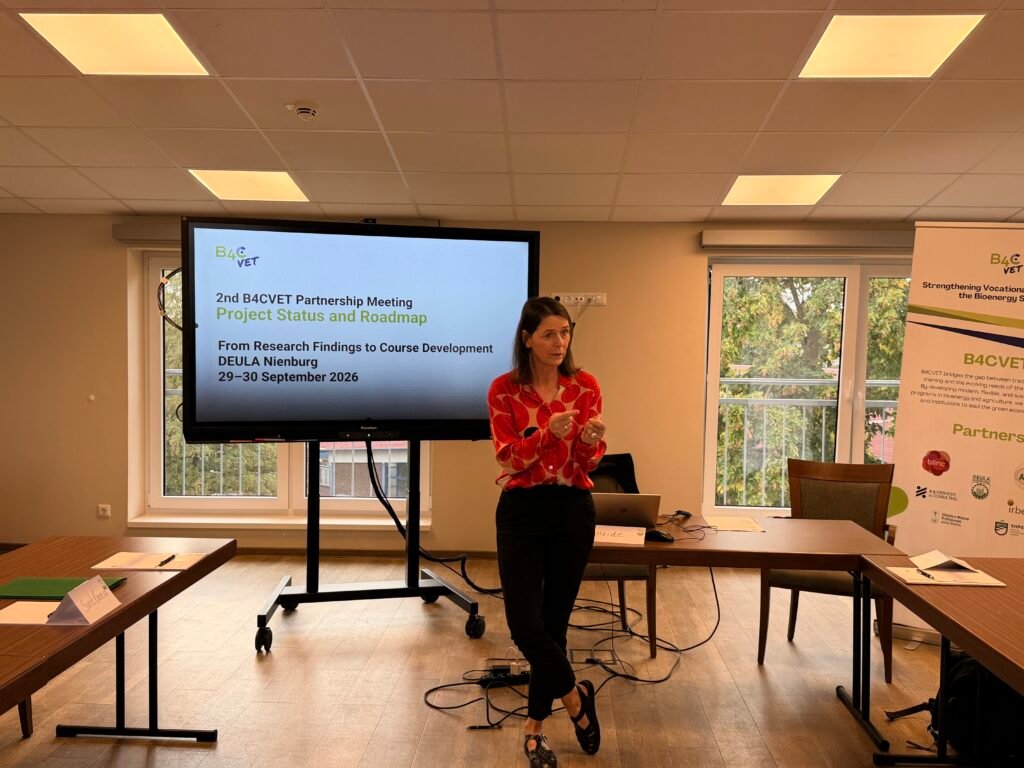
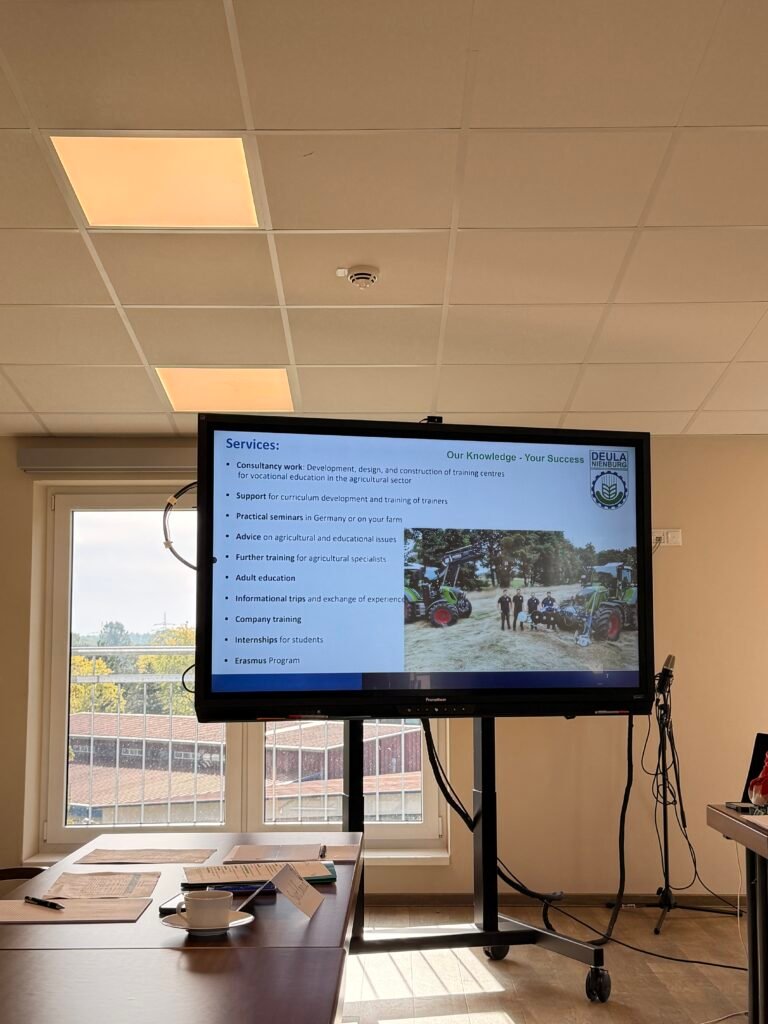
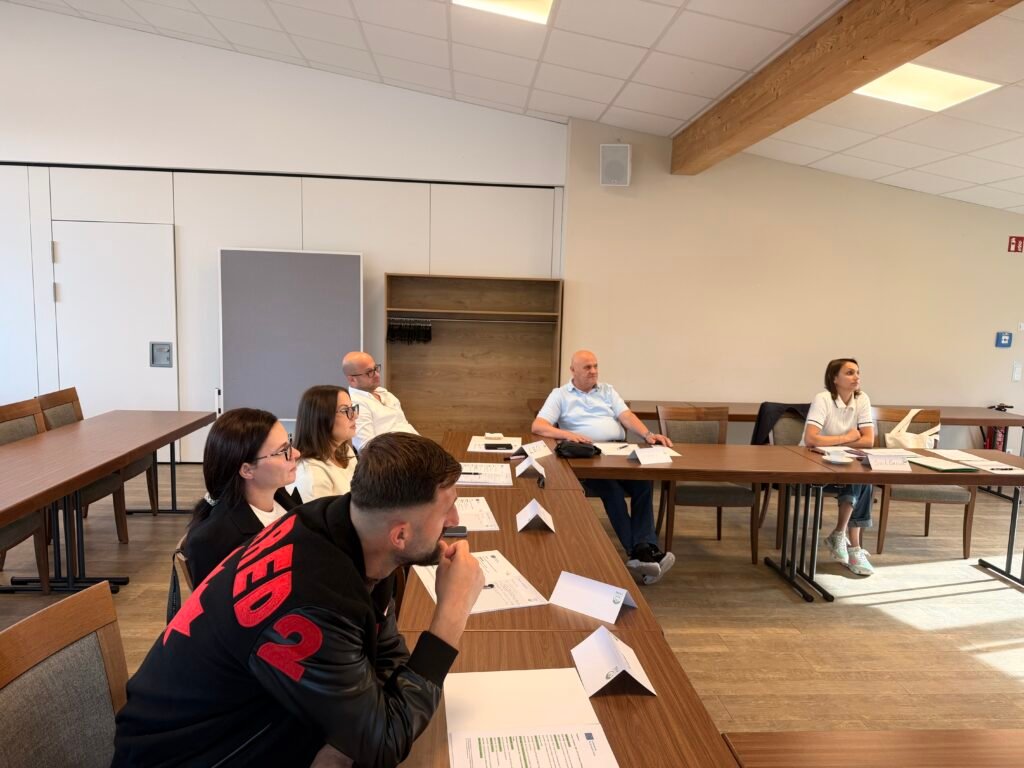
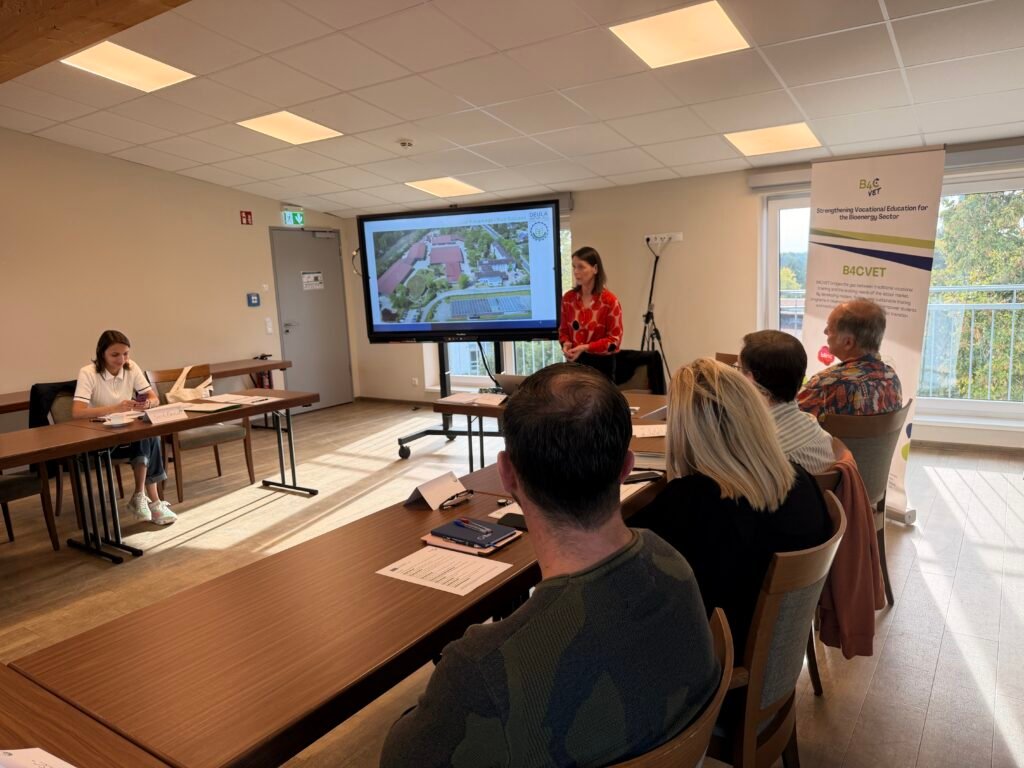
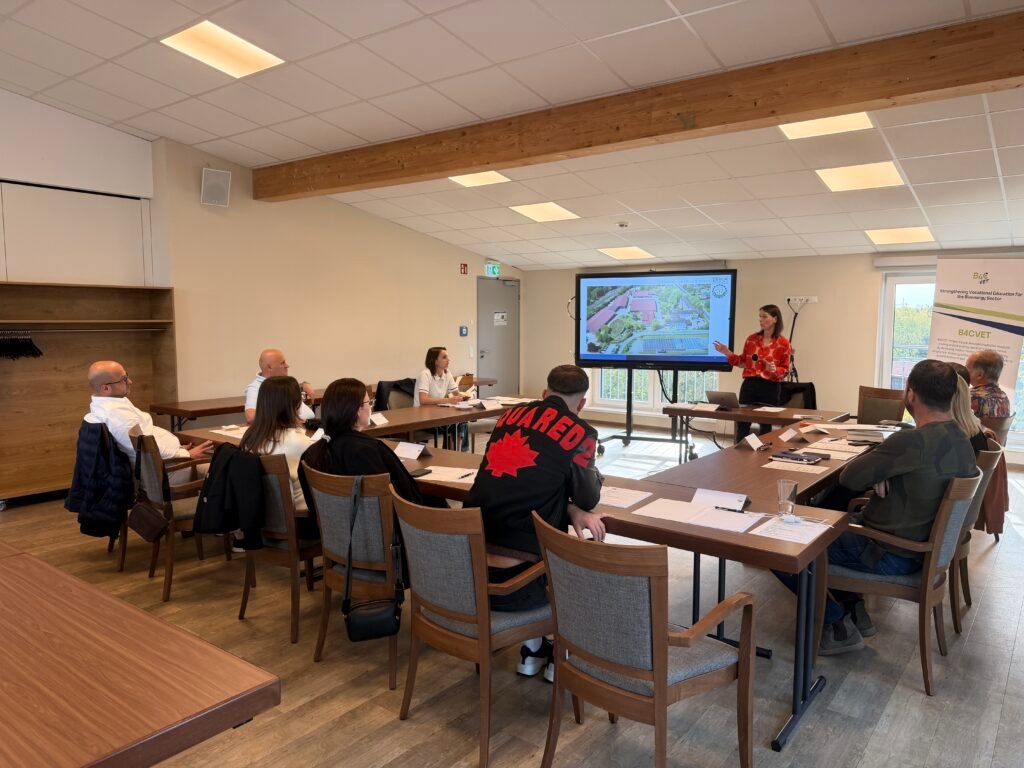
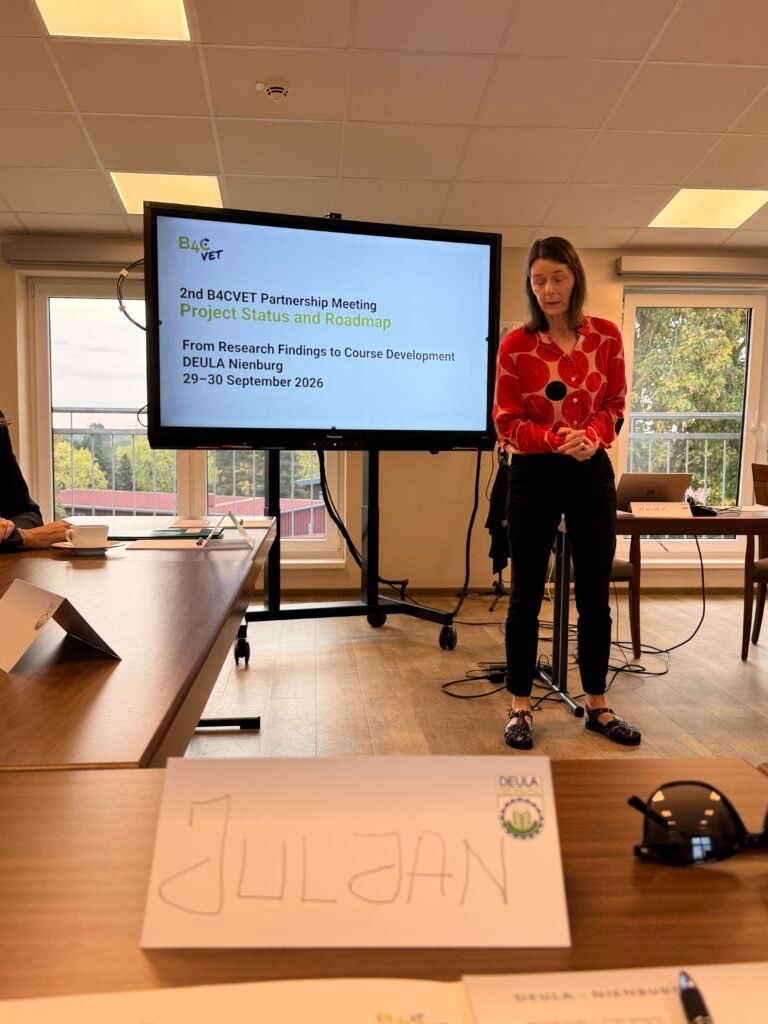
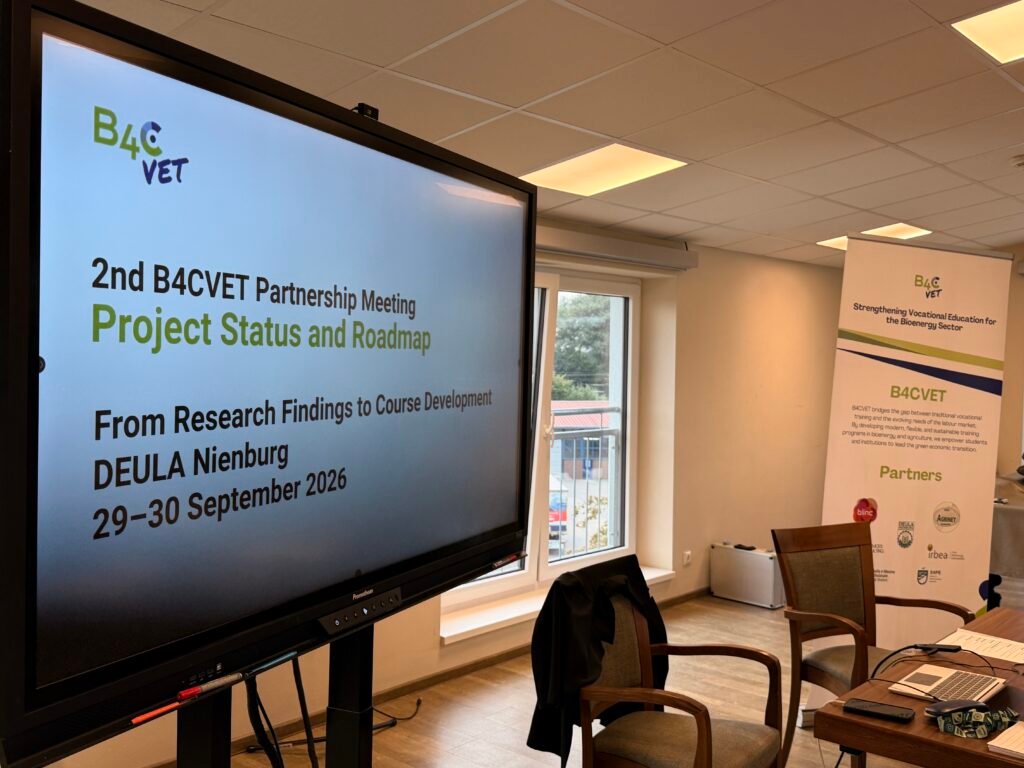
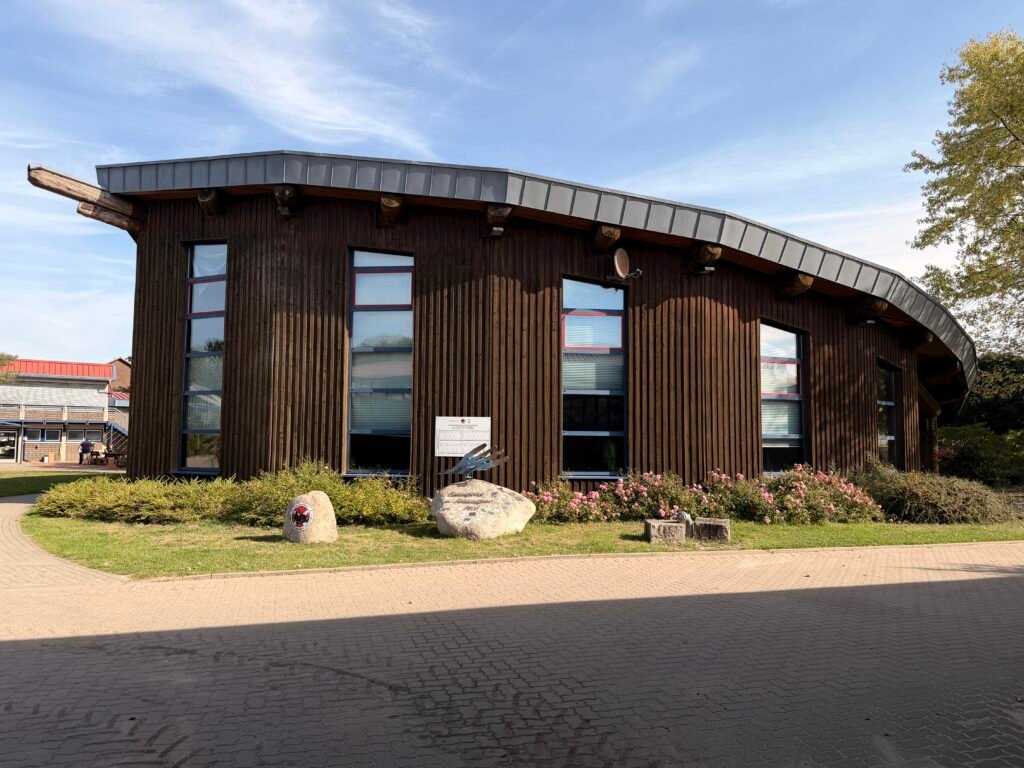
On 29–30 September 2026, representatives of the B4CVET partnership gathered in Nienburg/Weser, Germany, for a two-day Transnational Partner Meeting hosted by DEULA Nienburg. With two delegates representing each partner organisation, the meeting created an important opportunity to review project progress, analyse the research completed under Work Package 2 and coordinate the next stages of implementation.
Day One: From Research Findings to Course Development
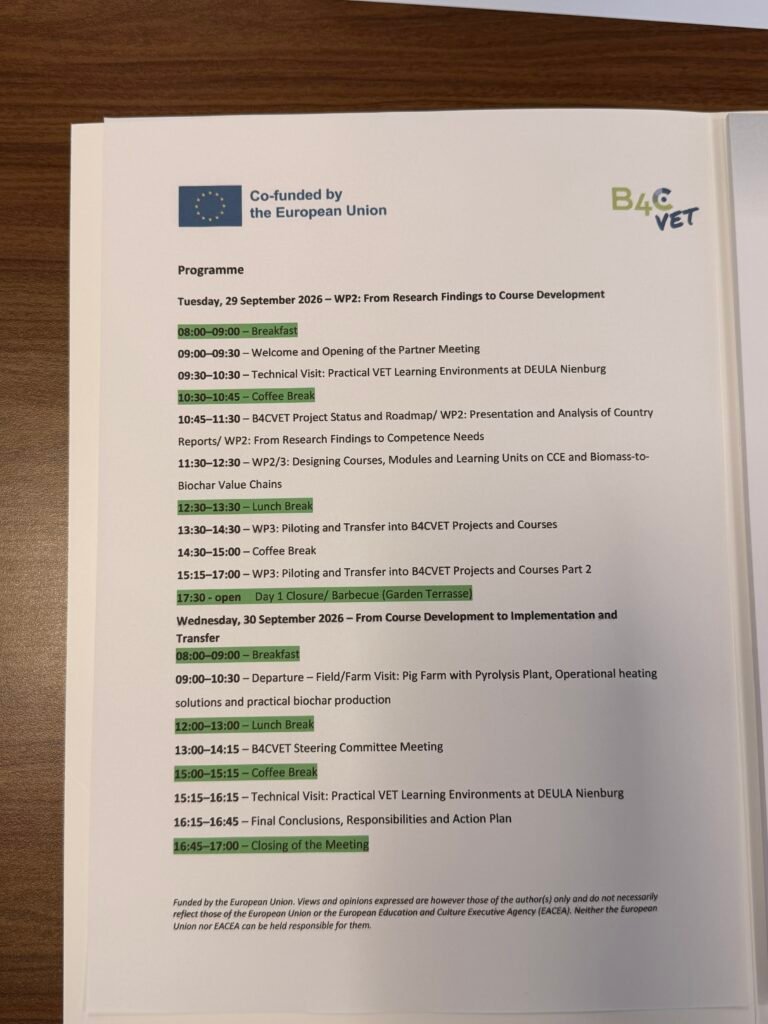
The first day began with a warm welcome from the host institution, followed by an overview of the B4CVET project’s current status, roadmap and upcoming priorities.
A central part of the discussions focused on the national research conducted under WP2. Partners presented and compared their Country Reports, sharing the main findings emerging from desk research, stakeholder questionnaires, interviews and focus-group activities. This joint analysis helped the consortium identify common challenges, country-specific needs and priority areas for competence development.
Building on this evidence, the partners discussed how the research findings could be translated into practical educational outcomes. Particular attention was given to defining the competence and training needs that will guide the development of B4CVET courses, modules and learning units on the Circular Carbon Economy and biomass-to-biochar value chains.
The working sessions also addressed the division of responsibilities, development tasks and upcoming deadlines. Beyond the formal agenda, the meeting offered valuable opportunities for networking, peer learning and the exchange of experiences among partner institutions.

Day Two: Planning Implementation and Exploring Practice-Based Training
The second day focused on moving from course development towards implementation and transfer. Partners discussed the planned WP3 piloting activities and how the developed learning materials can be tested, adapted and transferred within the participating vocational education and training institutions.
The meeting continued with discussions on WP4 valorisation, dissemination and sustainability. The consortium considered how to communicate project results effectively, engage relevant stakeholders and support the continued use of B4CVET outcomes beyond the project’s implementation period.
Partners also participated in the B4CVET Steering Committee Meeting and reviewed project monitoring, quality assurance, responsibilities and the action plan for the next implementation phase.
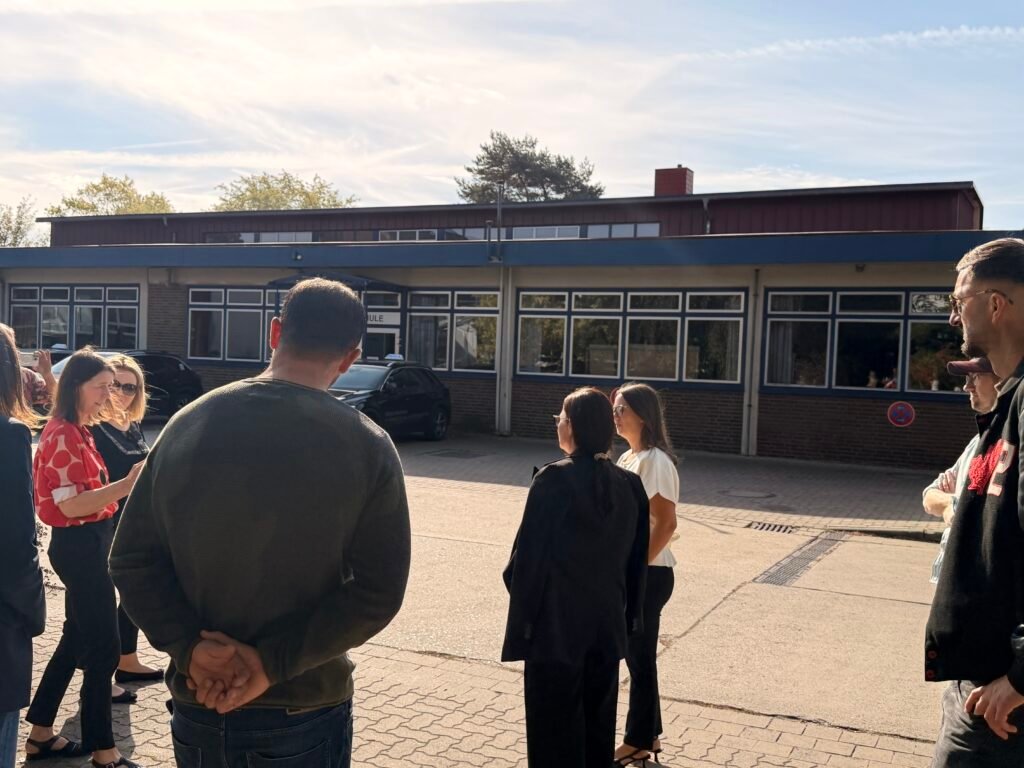
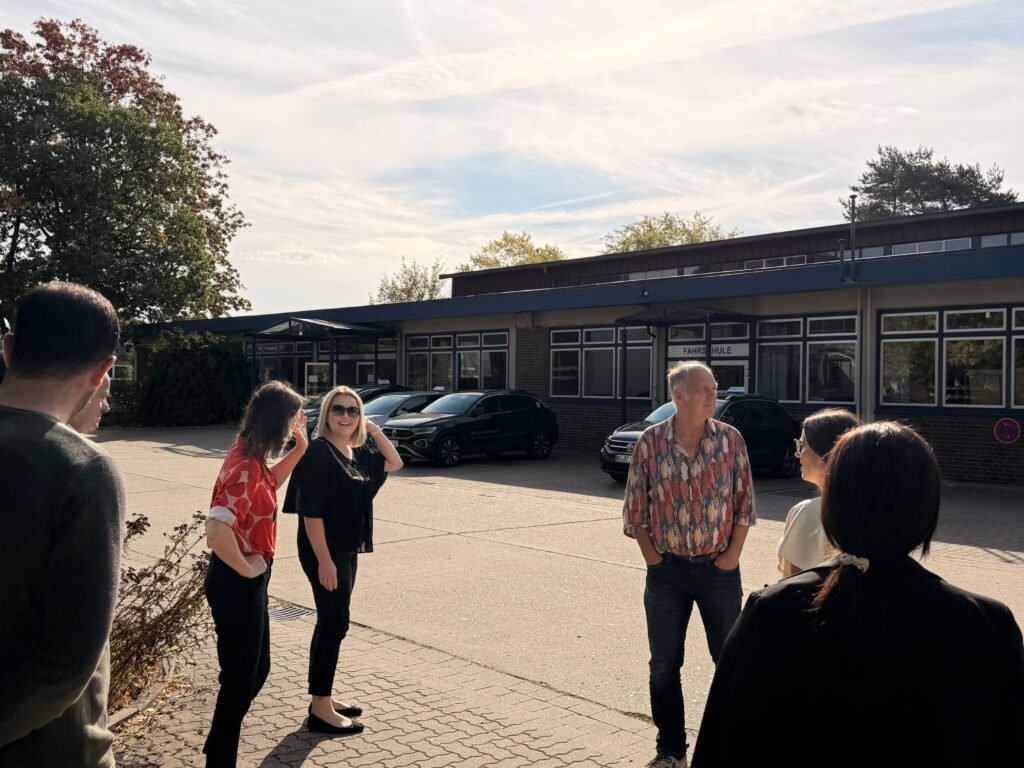
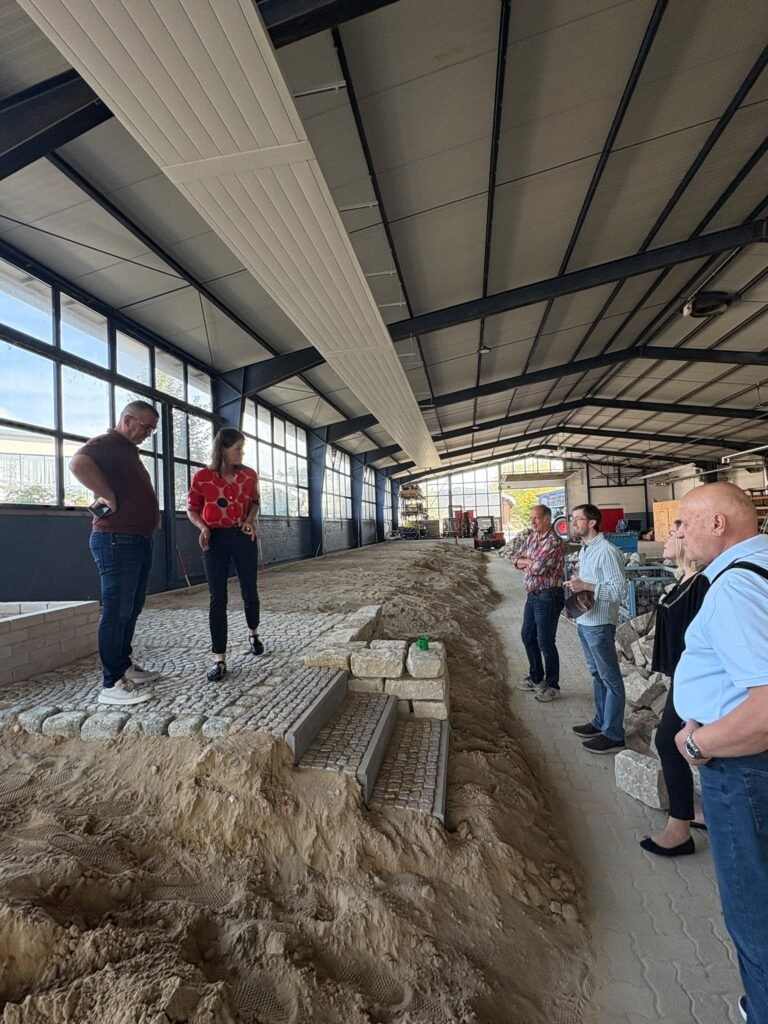
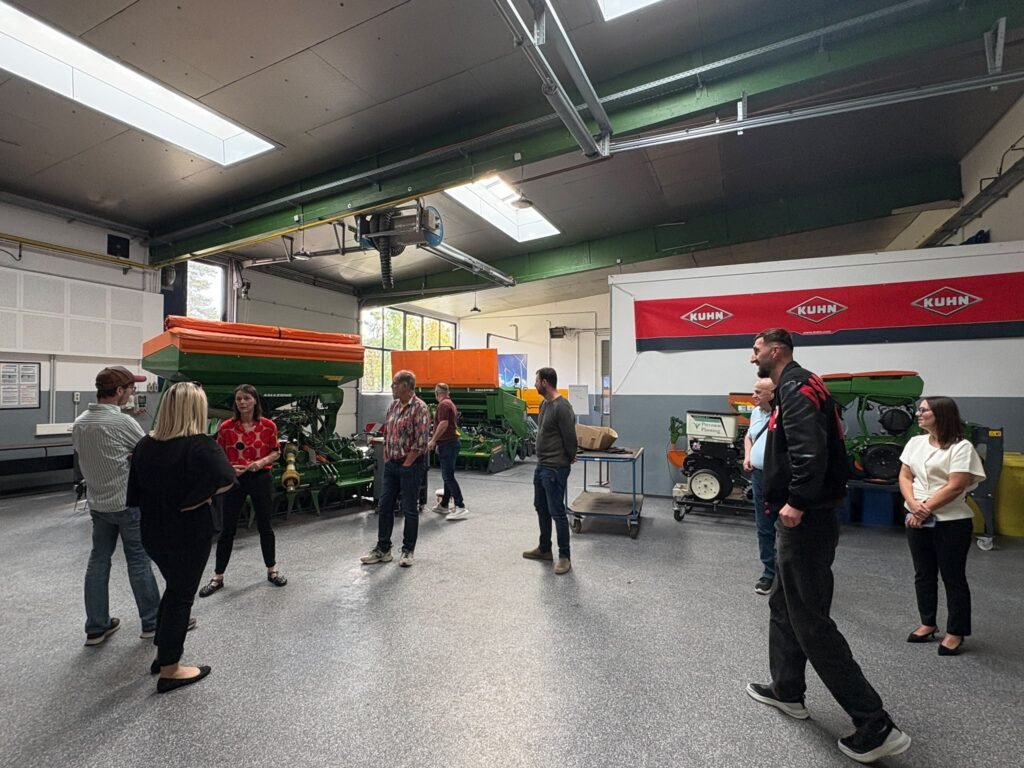
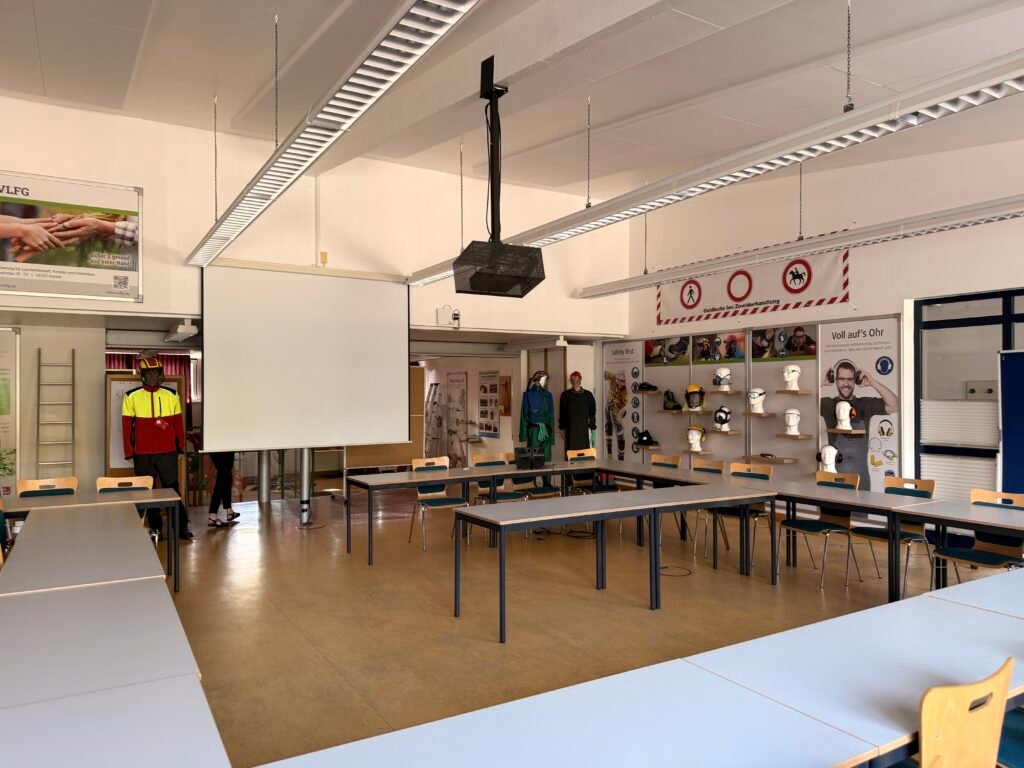
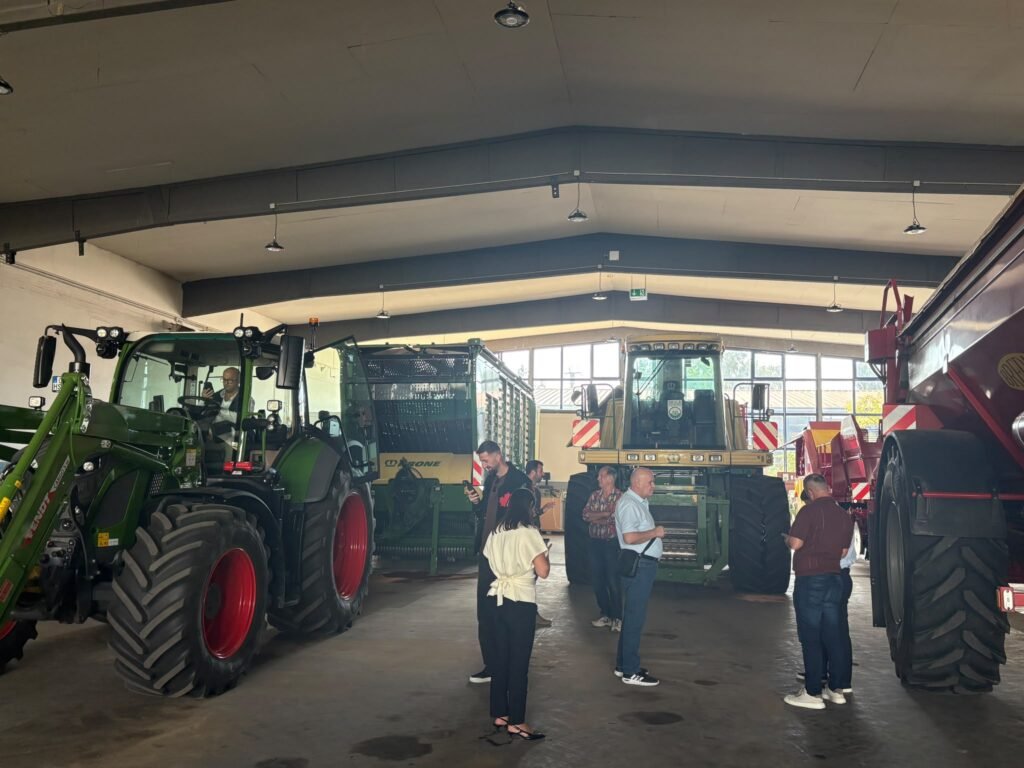
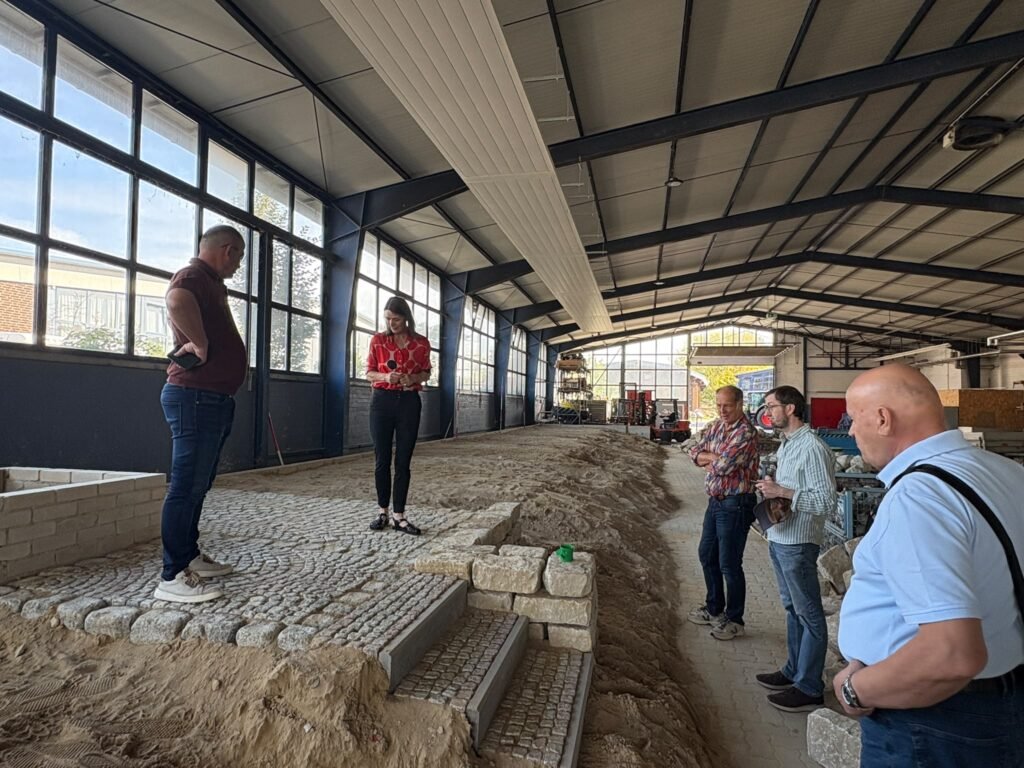
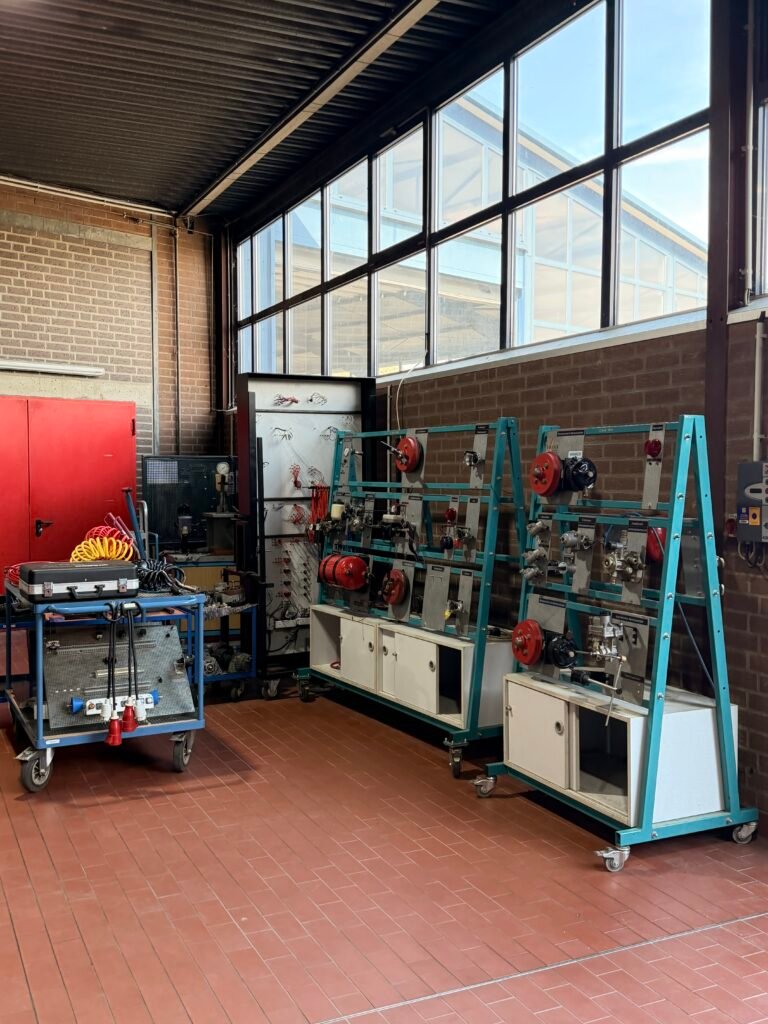
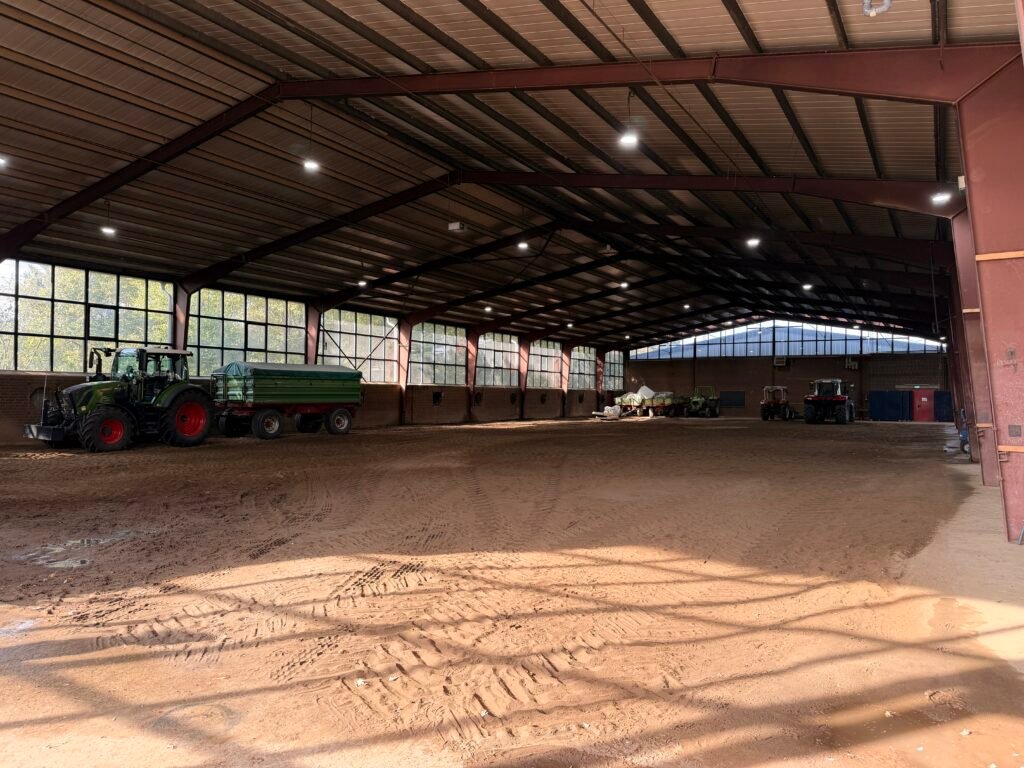
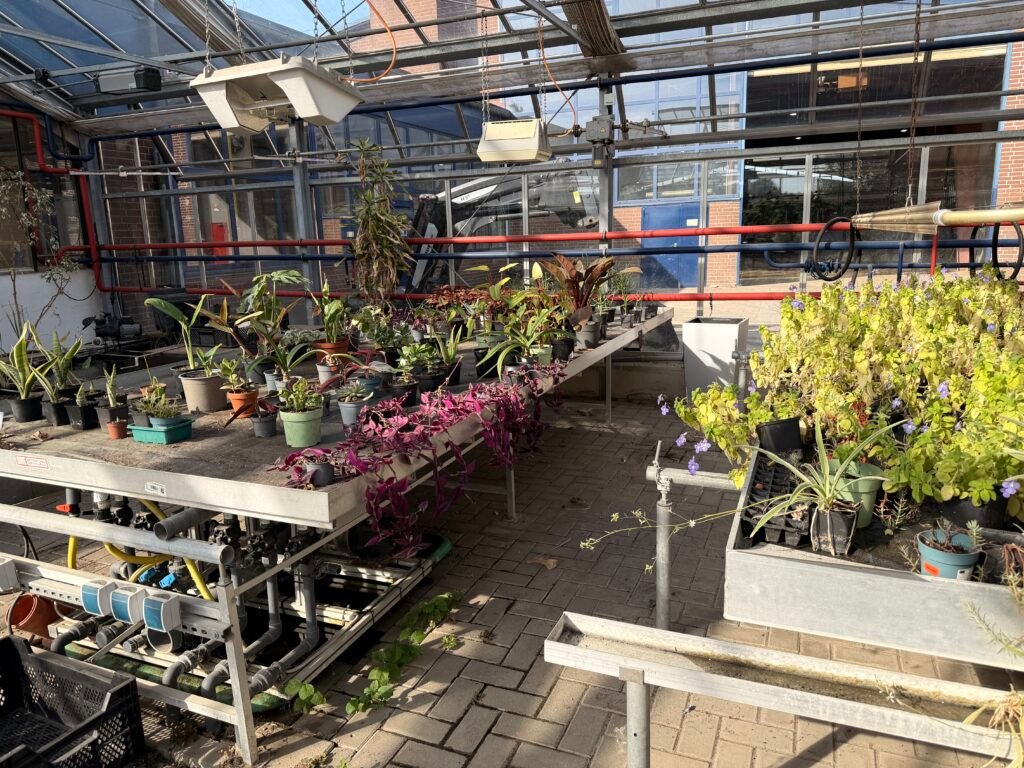
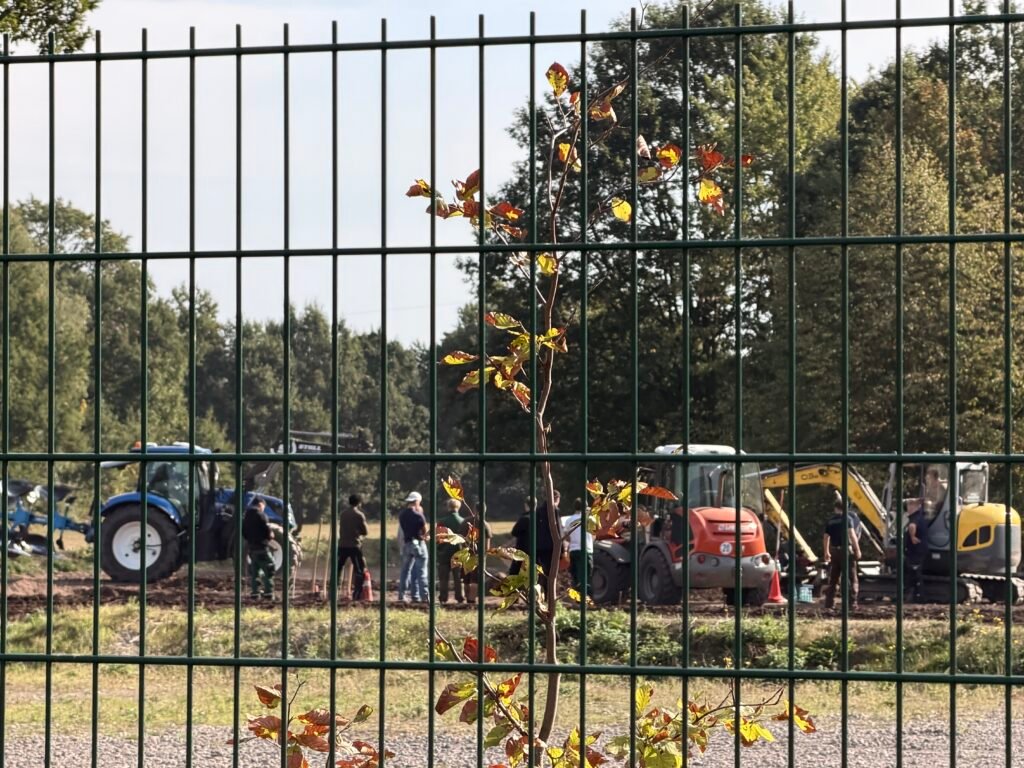
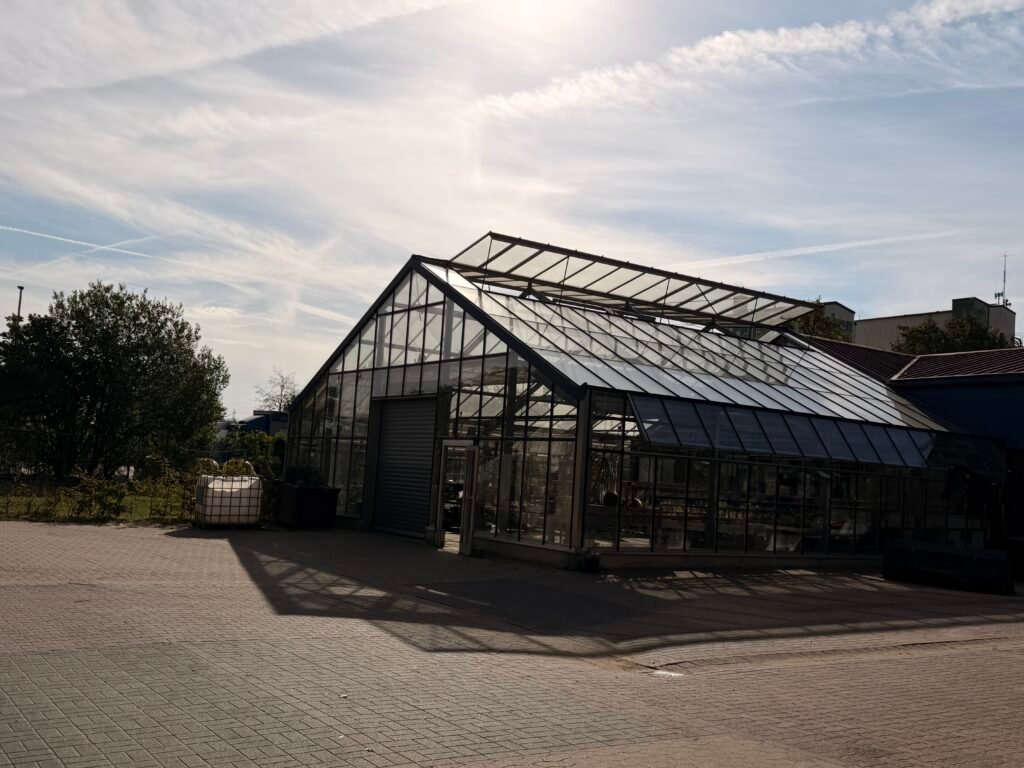
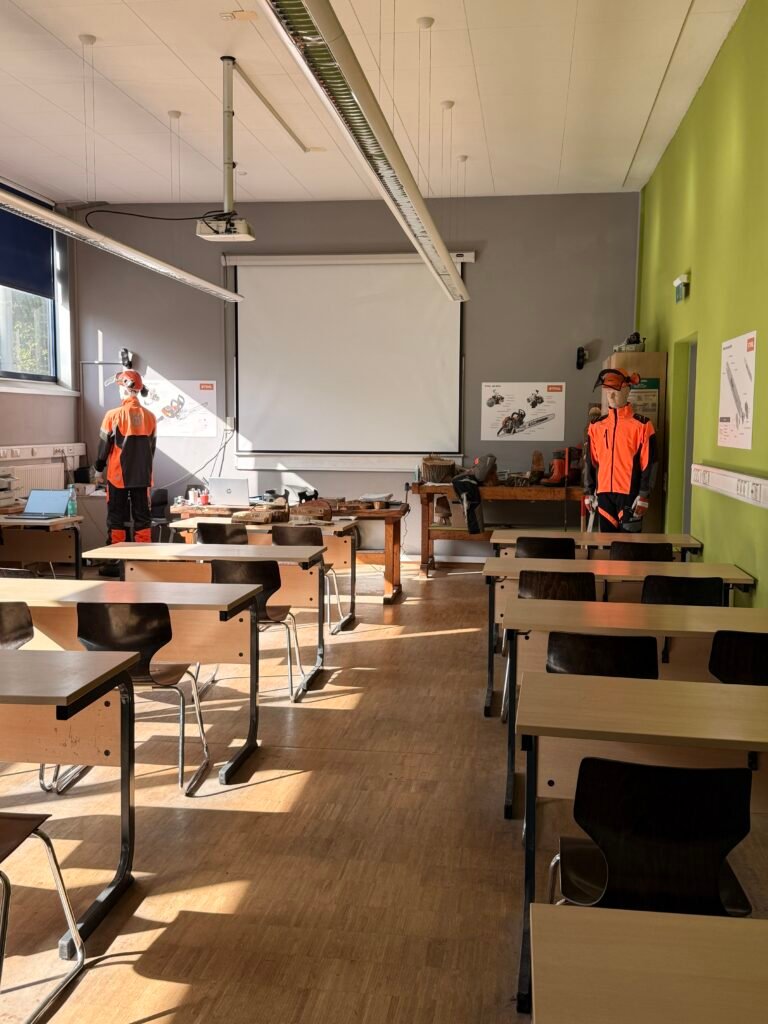
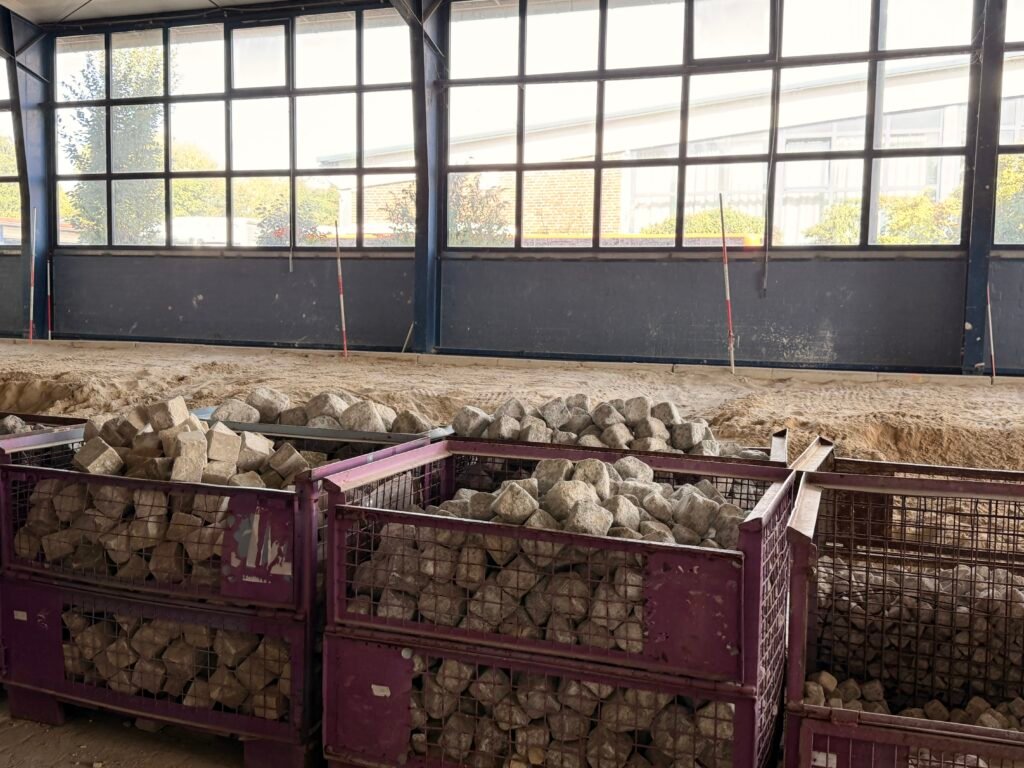
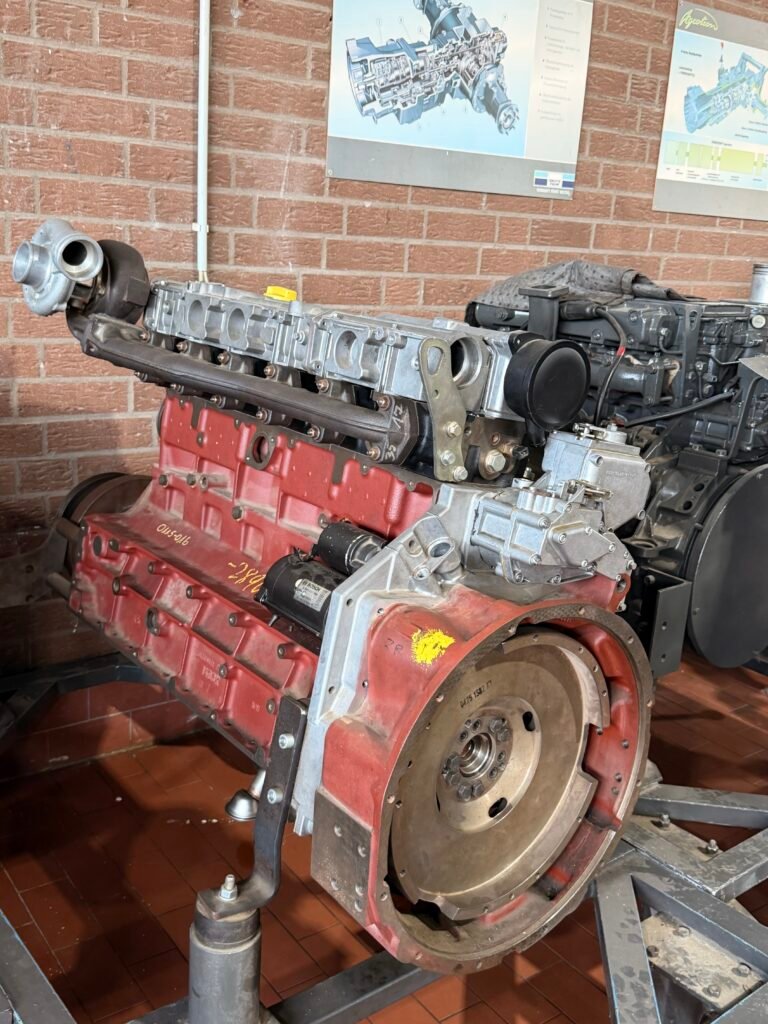
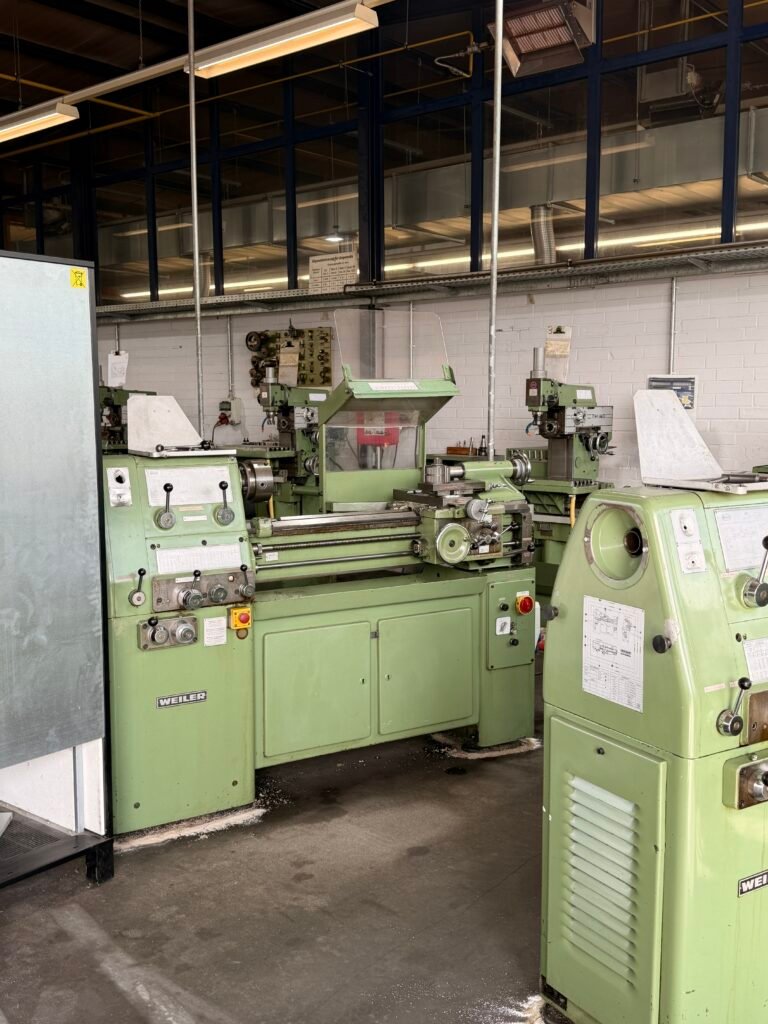
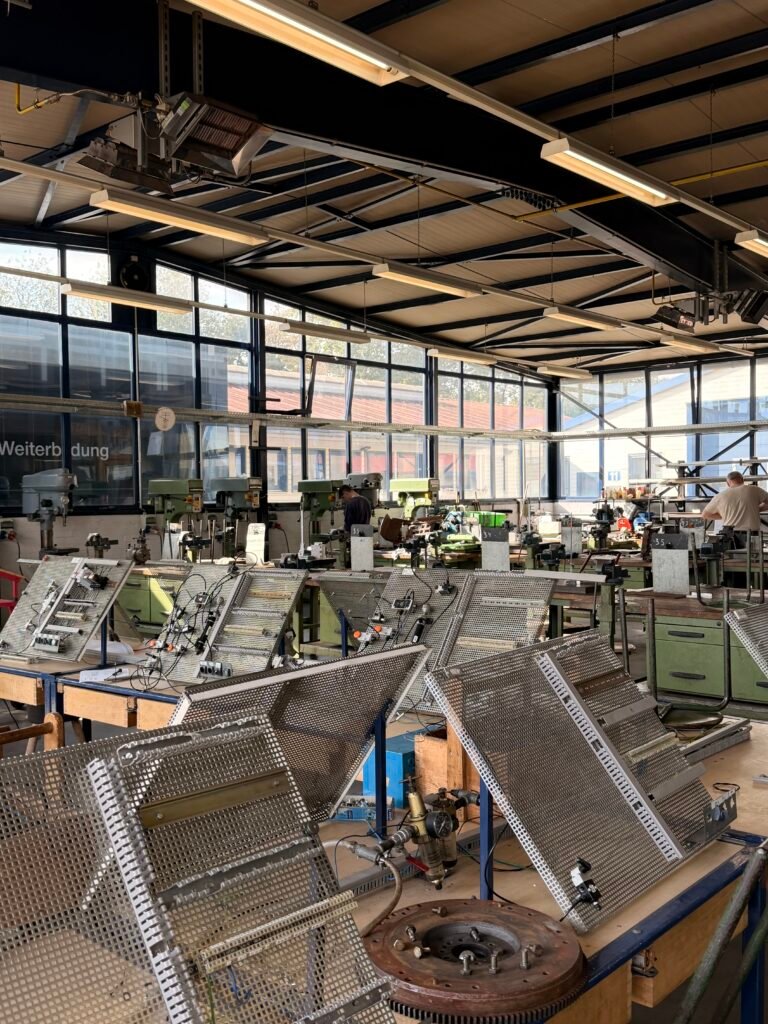
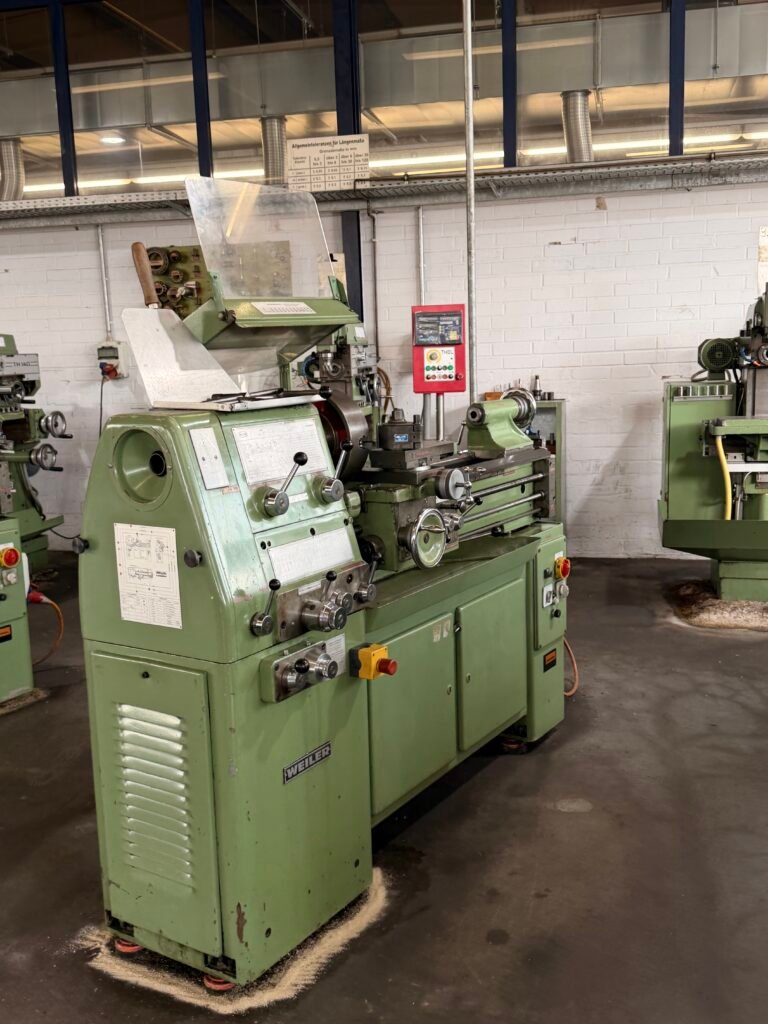
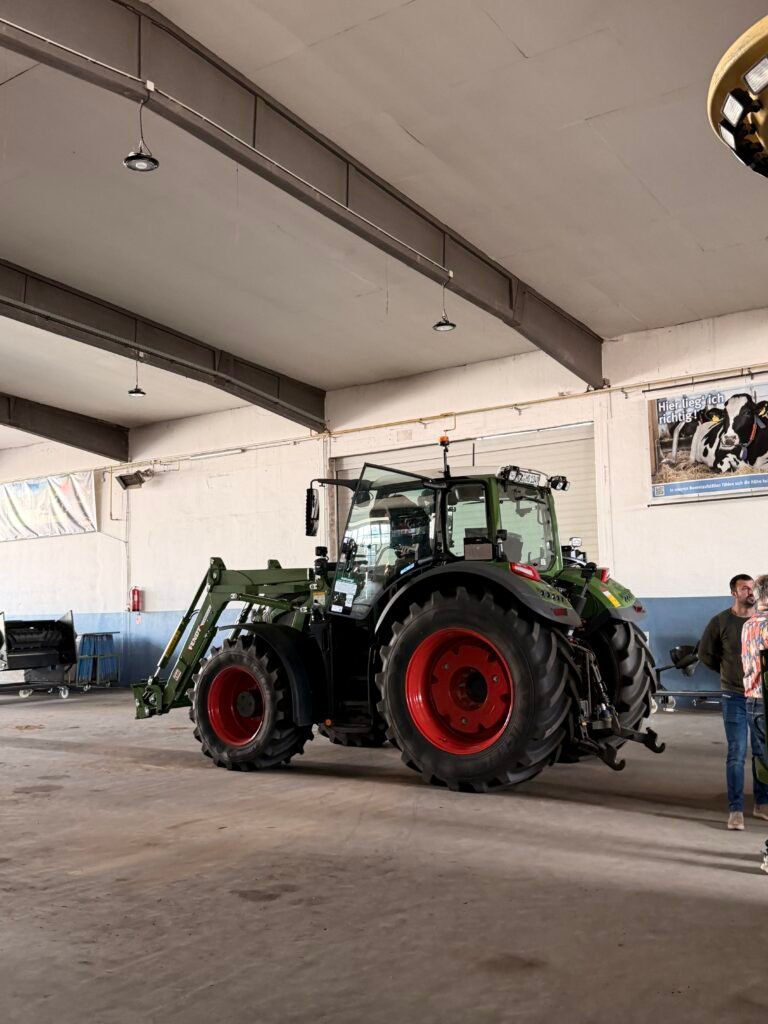
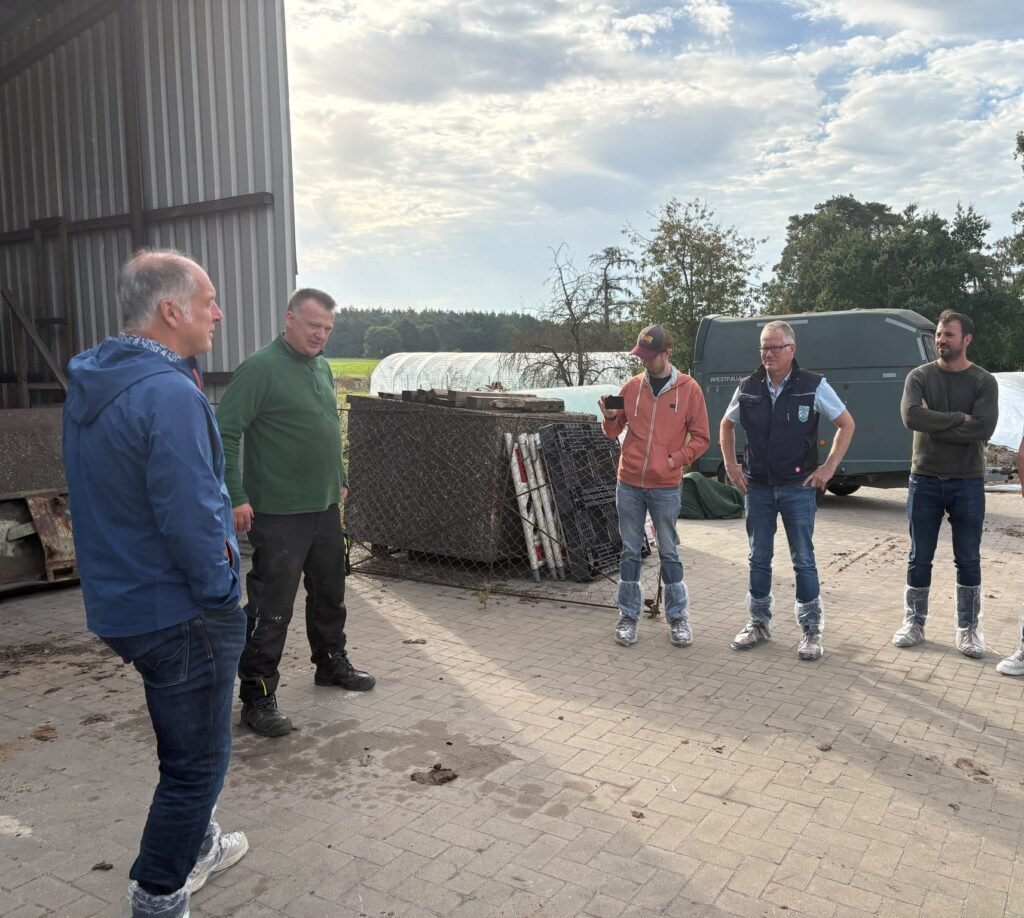
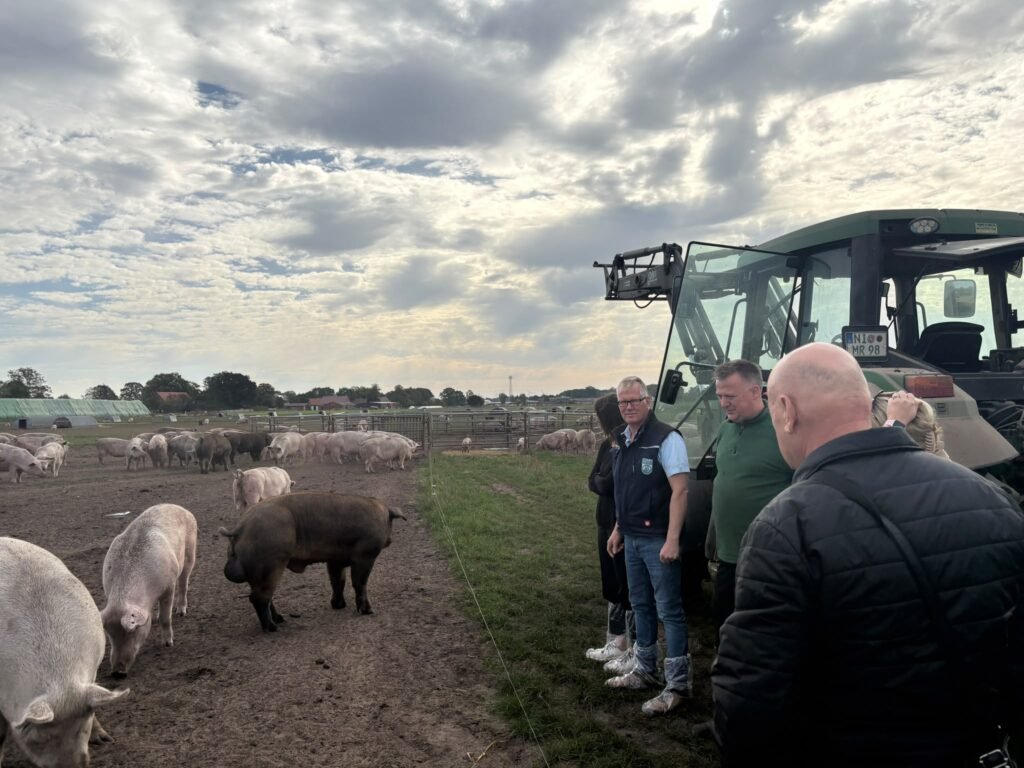
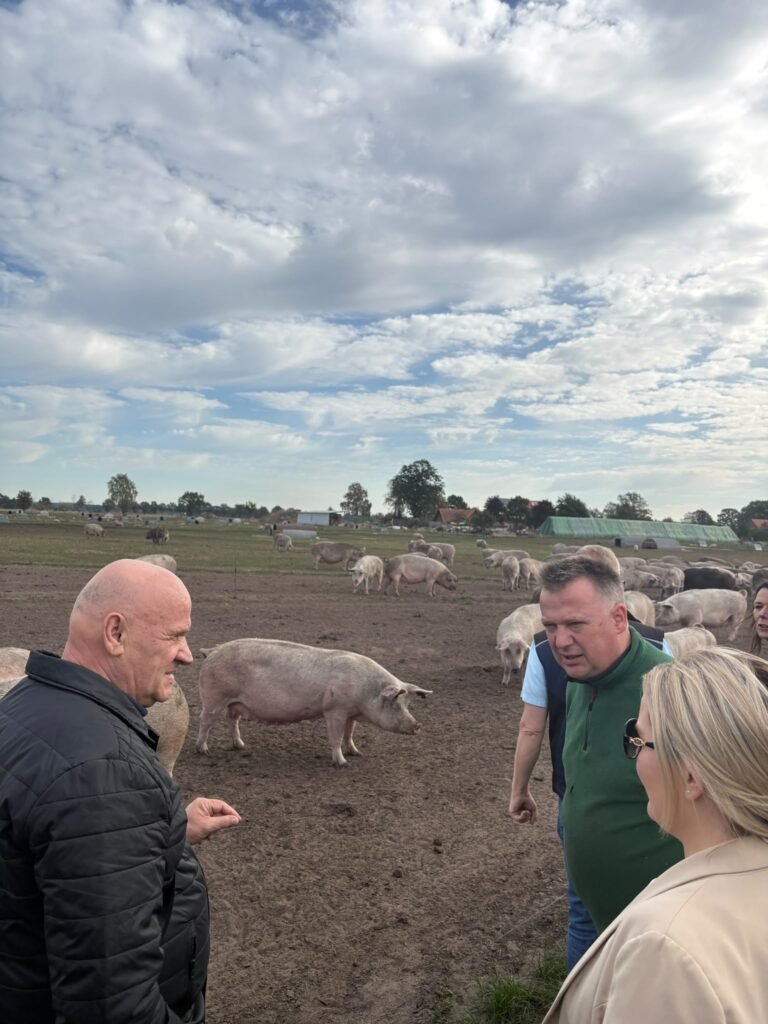
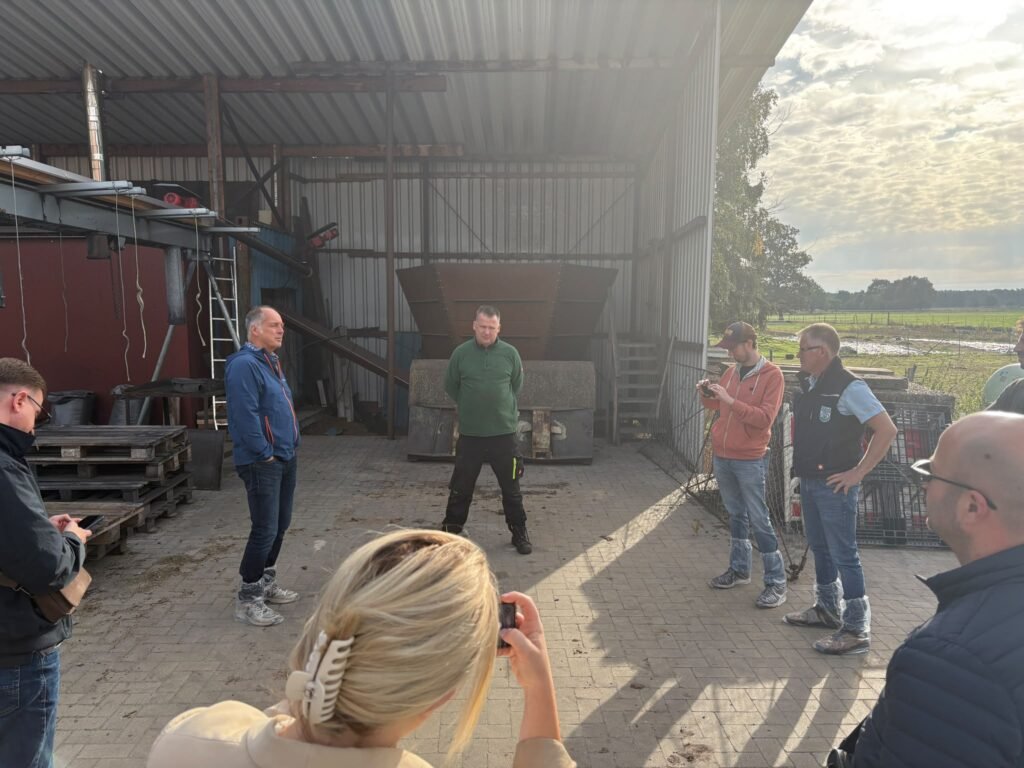
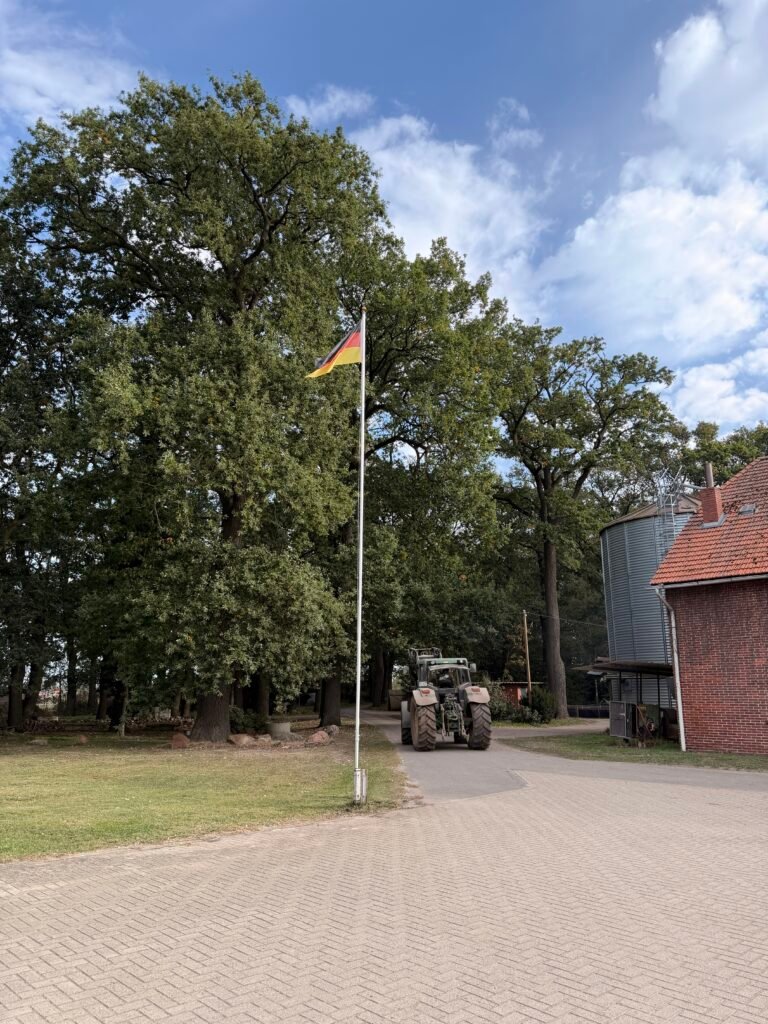
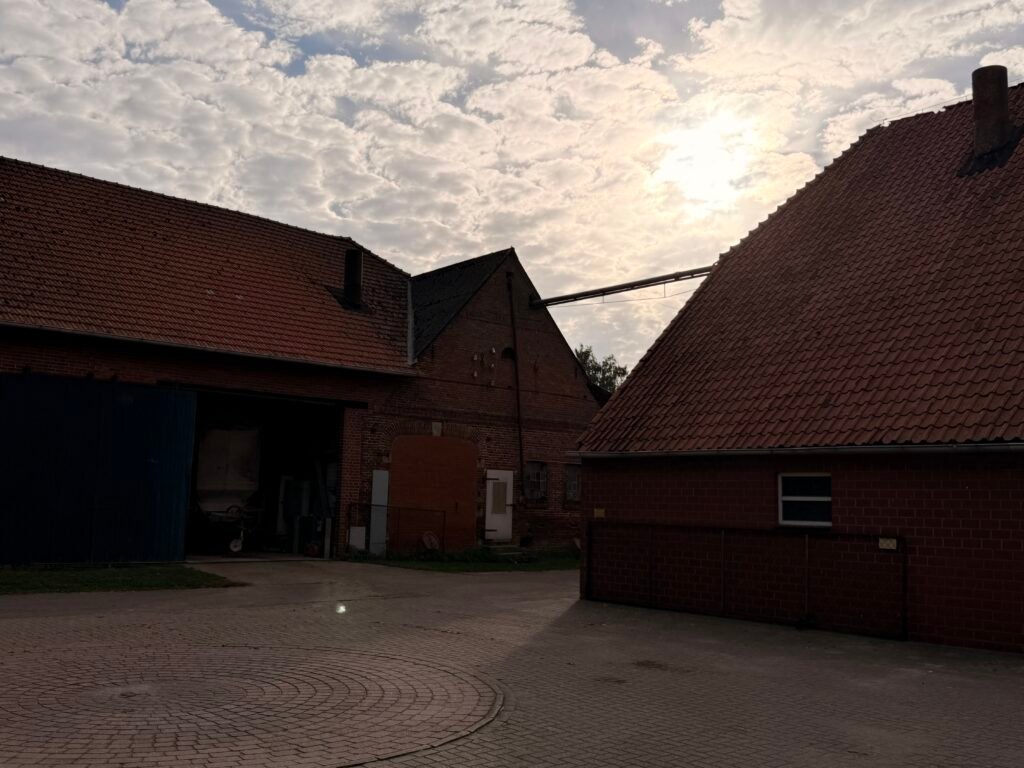
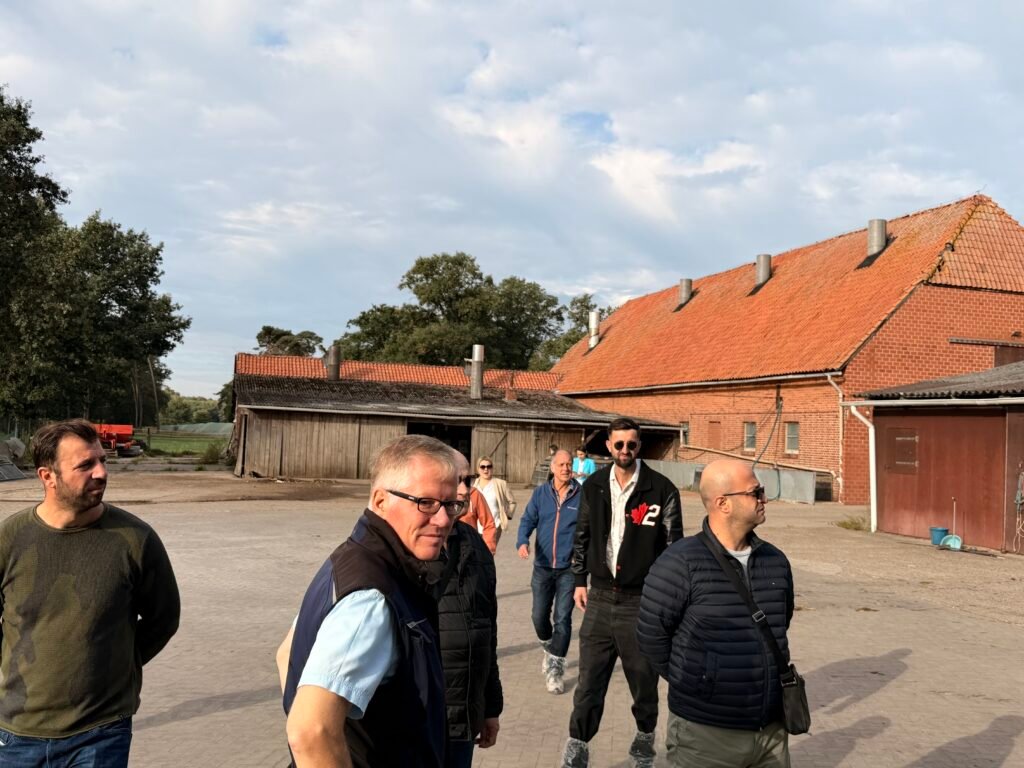
An important part of the second day was a technical visit to an agricultural farm connected with DEULA Nienburg’s practice-oriented vocational training activities. During the visit, partners gained direct insight into how practical agricultural training and workplace placements are organised. The visit demonstrated the importance of connecting classroom-based learning with authentic working environments, modern agricultural practices and the skills required by employers.
The farm visit also provided a concrete example of how cooperation between VET providers and agricultural enterprises can strengthen learners’ technical competences, practical experience and readiness for employment.
Moving Forward Together
The meeting concluded with clear responsibilities, agreed next steps and a shared action plan. By combining research-based course development, international cooperation and exposure to effective practice-based training models, the Nienburg meeting marked an important milestone in the B4CVET project.
The partnership will now continue its work on developing the competence framework and learning materials, preparing the piloting phase and ensuring that the project’s results respond to the real needs of VET institutions, teachers, learners and the agricultural sector.
Disclaimer
Co-funded by the European Union. Views and opinions expressed are however those of the author(s) only and do not necessarily reflect those of the European Union or the European Education and Culture Executive Agency (EACEA). Neither the European Union nor EACEA can be held responsible for them.