Media coverage

Biomass
Media coverage

Biochar: Turning Agricultural Waste into Sustainable Opportunities

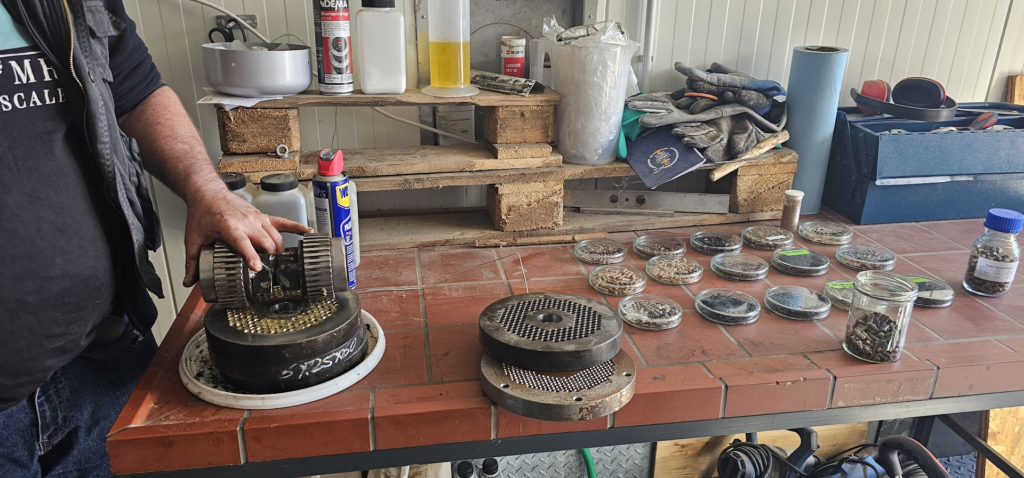
Across Europe, millions of tonnes of agricultural residues are generated every year. Crop residues, pruning waste, and other organic materials are often underutilized or disposed of in ways that provide limited environmental or economic value. However, innovative solutions are emerging to transform these materials into valuable resources. One of the most promising of these solutions is biochar. Biochar is a carbon-rich material produced through the thermal conversion of biomass in a low-oxygen environment, a process known as pyrolysis. Rather than allowing agricultural waste to decompose or be burned openly, biomass can be converted into biochar and used in a variety of sustainable applications. One of the main benefits of biochar is its ability to improve soil quality. When added to agricultural land, biochar can enhance soil structure, increase water retention, and improve nutrient availability for plants. This helps farmers improve productivity while reducing dependence on chemical inputs. Biochar also plays an important role in climate action. Because it stores carbon in a stable form for long periods, it contributes to carbon sequestration and helps reduce greenhouse gas emissions. This makes biochar an important tool in supporting Europe’s environmental and climate goals. Beyond agriculture, biochar creates new economic opportunities. As demand grows for sustainable products and green technologies, new jobs and business models are emerging in biomass collection, processing, production, and environmental services. The B4CVET project recognizes the importance of preparing learners and professionals for these emerging opportunities. By strengthening vocational education and training in the bioenergy and biochar sectors, the project supports the development of the skills needed for the green transition. Through education, innovation, and collaboration, agricultural waste can become a valuable resource that supports sustainability, economic growth, and environmental protection. Biochar demonstrates how circular economy principles can transform challenges into opportunities for communities across Europe. DisclaimerCo-funded by the European Union. Views and opinions expressed are however those of the author(s) only and do not necessarily reflect those of the European Union or the European Education and Culture Executive Agency (EACEA). Neither the European Union nor EACEA can be held responsible for them.
Media coverage

B4CVET Project Meeting – Advancing Green Skills in VET

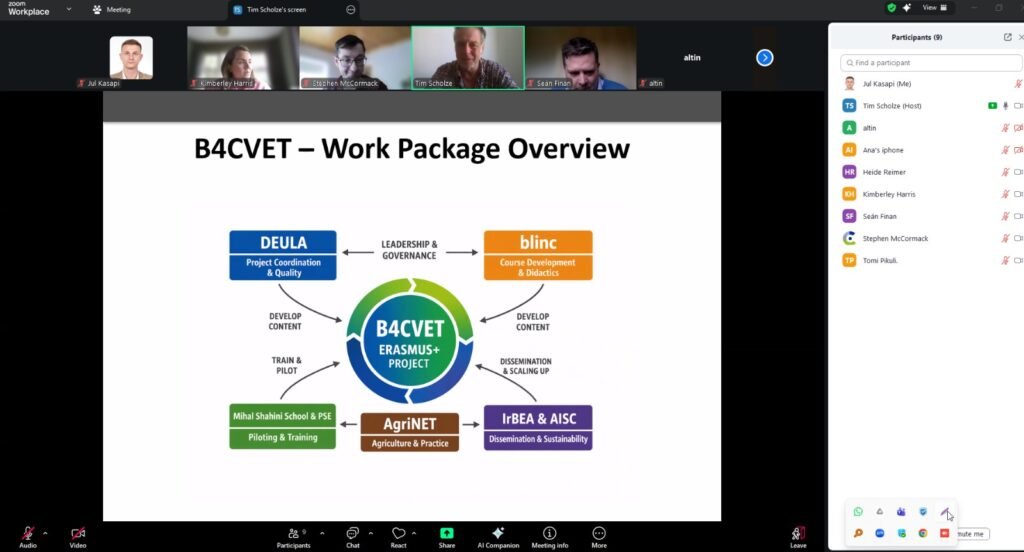
On 30 April 2026, partners of the B4CVET project convened for a strategic project meeting, marking another important milestone in the implementation of this forward-looking Erasmus+ initiative. The meeting brought together representatives from partner organisations across Europe, all aligned around a shared objective: strengthening vocational education and training (VET) systems through the integration of green skills, circular economy principles, and innovative learning approaches. The session focused on reviewing the progress achieved to date and ensuring alignment across all Work Packages. Particular attention was given to the ongoing development of training content and methodologies that support bioenergy and biochar-related competencies—areas identified as critical for the future labour market. Partners exchanged updates on national-level activities, highlighting both achievements and operational challenges, with a strong emphasis on maintaining quality and consistency across outputs. A key component of the meeting was the discussion on capacity building and curriculum development. Partners explored how to effectively integrate project results into existing VET programmes, ensuring long-term sustainability and real impact. The importance of aligning training materials with labour market needs was underlined, reinforcing the project’s commitment to bridging the gap between education and industry. In addition, the consortium reviewed upcoming activities, including pilot implementations, stakeholder engagement actions, and dissemination efforts under the project’s valorisation strategy. The role of communication and visibility was emphasized as a critical success factor, with partners encouraged to actively promote project results at local, national, and European levels. From a governance perspective, the meeting ensured that all partners remain on track with timelines, deliverables, and reporting requirements. Open dialogue and collaborative problem-solving once again demonstrated the strength of the consortium and its ability to navigate complex project dynamics. Overall, the B4CVET meeting of 30 April 2026 reinforced a clear strategic direction: delivering practical, scalable, and market-relevant solutions for greener VET systems. As the project progresses, the focus remains on creating tangible impact—equipping learners, educators, and institutions with the skills and tools needed to contribute to a more sustainable and resilient future. DisclaimerCo-funded by the European Union. Views and opinions expressed are however those of the author(s) only and do not necessarily reflect those of the European Union or the European Education and Culture Executive Agency (EACEA). Neither the European Union nor EACEA can be held responsible for them.

Three C Conference
Kick-off meeting, Media coverage

B4C VET Project Kick-Off: Building the Foundation for Sustainable VET Innovation

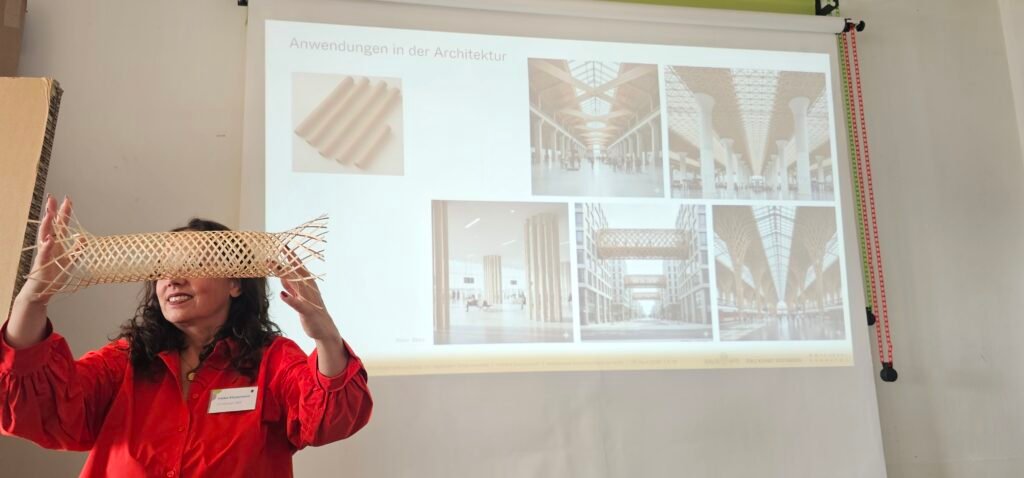
The B4C VET project officially launched with a successful kick-off meeting held in Kassel, Germany, marking the beginning of a strategic collaboration among partners committed to advancing vocational education and training (VET) through sustainability, innovation, and cross-sector cooperation. Hosted at the University of Kassel, the meeting brought together consortium members to align on the project’s vision, objectives, and implementation roadmap. The session focused on establishing a clear governance structure, defining roles and responsibilities, and ensuring a shared understanding of expected outcomes. A strong emphasis was placed on results-driven delivery, with partners engaging in structured working groups to initiate the first steps of implementation. According to the programme, participants worked on developing practical application cases, including cost calculations and CO₂ reduction potential, setting a clear direction for impact-oriented outputs . The kick-off meeting was not limited to administrative coordination. It also created a collaborative environment for knowledge exchange, allowing partners to identify synergies, share expertise, and define common methodologies. This approach ensures that the project moves forward with coherence, efficiency, and a strong partnership dynamic. In parallel to the project launch, partners had the opportunity to participate in the THREE C Network Conference 2026, a high-level international event dedicated to the Circular Carbon Economy (CCE). The conference explored innovative solutions for transforming biomass into sustainable resources and highlighted how circular systems can contribute to reducing emissions while generating economic value. It brought together experts, practitioners, and stakeholders from across Europe to exchange ideas, develop practical approaches, and foster new collaborations . The combination of the B4C VET kick-off meeting and participation in the THREE C conference created a powerful starting point for the project. Partners gained valuable insights into emerging trends, technologies, and policy directions that will directly inform the project’s development and outputs. As B4C VET moves into its implementation phase, the consortium is well-positioned to deliver innovative solutions that strengthen VET systems, support green and digital transitions, and create tangible impact for learners, educators, and the labour market. Disclaimer Funded by the European Union. Views and opinions expressed are however those of the author(s) only and do not necessarily reflect those of the European Union or the European Education and Culture Executive Agency (EACEA). Neither the European Union nor EACEA can be held responsible for them.

Co funded by EU

Co-funded by the European Union. Views and opinions expressed are however those of the author(s) only and do not necessarily reflect those of the European Union or the European Education and Culture Executive Agency (EACEA). Neither the European Union nor EACEA can be held responsible for them.

© B4CVET – 2026

Scroll to Top