Author name: b4cvet.admin@b4cvet.eu

Media coverage

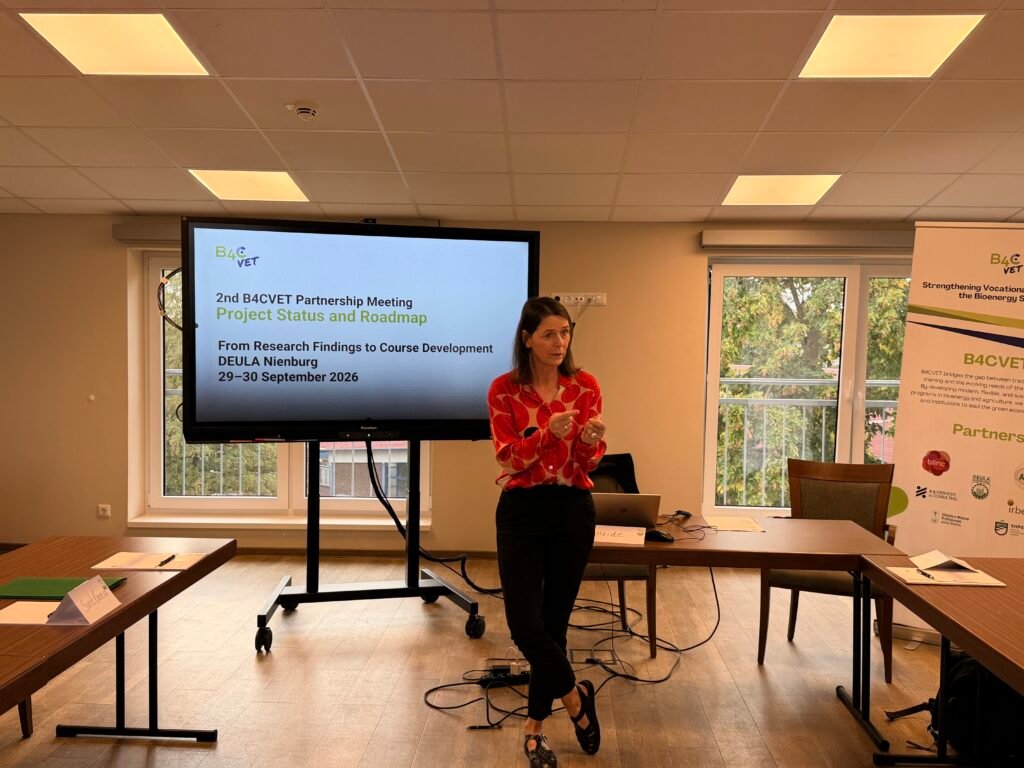
B4CVET Partners Meet in Nienburg to Advance Course Development and Practical VET Cooperation

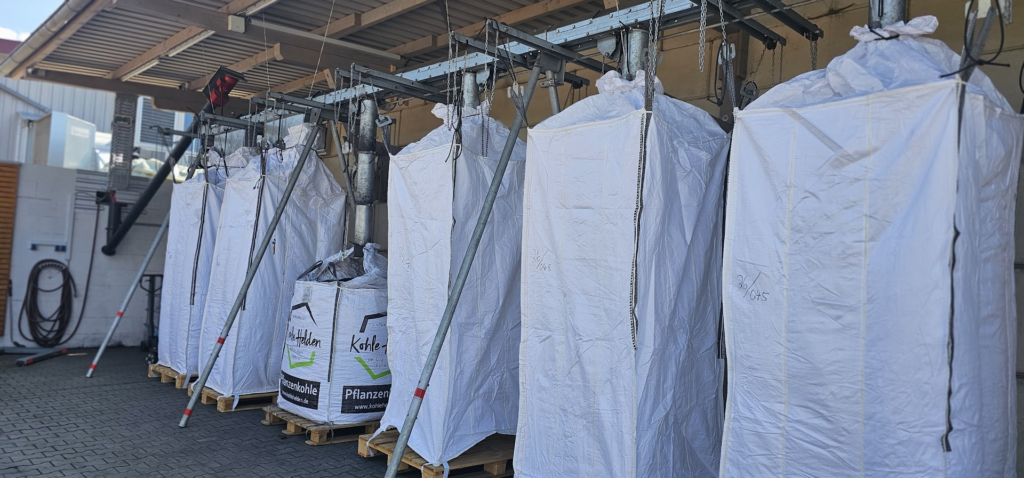
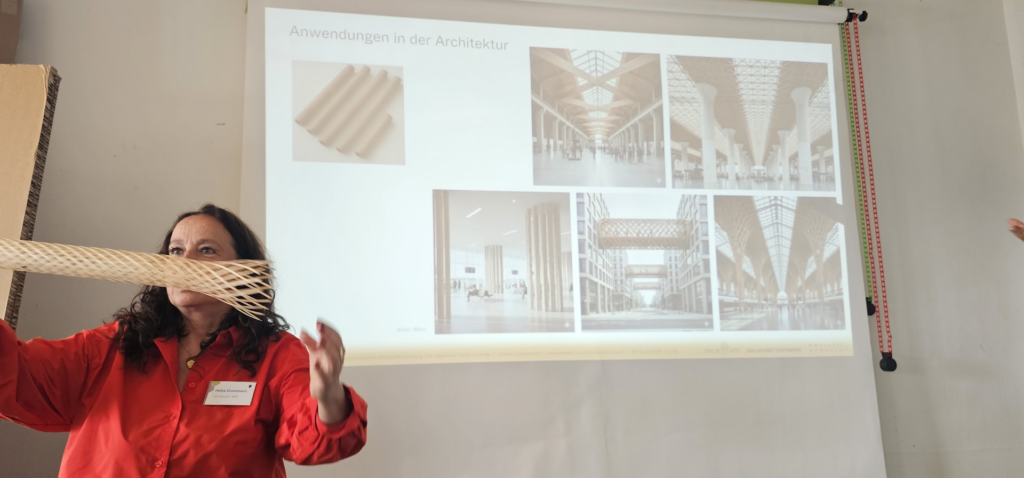
On 29–30 September 2026, representatives of the B4CVET partnership gathered in Nienburg/Weser, Germany, for a two-day Transnational Partner Meeting hosted by DEULA Nienburg. With two delegates representing each partner organisation, the meeting created an important opportunity to review project progress, analyse the research completed under Work Package 2 and coordinate the next stages of implementation. Day One: From Research Findings to Course Development The first day began with a warm welcome from the host institution, followed by an overview of the B4CVET project’s current status, roadmap and upcoming priorities. A central part of the discussions focused on the national research conducted under WP2. Partners presented and compared their Country Reports, sharing the main findings emerging from desk research, stakeholder questionnaires, interviews and focus-group activities. This joint analysis helped the consortium identify common challenges, country-specific needs and priority areas for competence development. Building on this evidence, the partners discussed how the research findings could be translated into practical educational outcomes. Particular attention was given to defining the competence and training needs that will guide the development of B4CVET courses, modules and learning units on the Circular Carbon Economy and biomass-to-biochar value chains. The working sessions also addressed the division of responsibilities, development tasks and upcoming deadlines. Beyond the formal agenda, the meeting offered valuable opportunities for networking, peer learning and the exchange of experiences among partner institutions. Day Two: Planning Implementation and Exploring Practice-Based Training The second day focused on moving from course development towards implementation and transfer. Partners discussed the planned WP3 piloting activities and how the developed learning materials can be tested, adapted and transferred within the participating vocational education and training institutions. The meeting continued with discussions on WP4 valorisation, dissemination and sustainability. The consortium considered how to communicate project results effectively, engage relevant stakeholders and support the continued use of B4CVET outcomes beyond the project’s implementation period. Partners also participated in the B4CVET Steering Committee Meeting and reviewed project monitoring, quality assurance, responsibilities and the action plan for the next implementation phase. An important part of the second day was a technical visit to an agricultural farm connected with DEULA Nienburg’s practice-oriented vocational training activities. During the visit, partners gained direct insight into how practical agricultural training and workplace placements are organised. The visit demonstrated the importance of connecting classroom-based learning with authentic working environments, modern agricultural practices and the skills required by employers. The farm visit also provided a concrete example of how cooperation between VET providers and agricultural enterprises can strengthen learners’ technical competences, practical experience and readiness for employment. Moving Forward Together The meeting concluded with clear responsibilities, agreed next steps and a shared action plan. By combining research-based course development, international cooperation and exposure to effective practice-based training models, the Nienburg meeting marked an important milestone in the B4CVET project. The partnership will now continue its work on developing the competence framework and learning materials, preparing the piloting phase and ensuring that the project’s results respond to the real needs of VET institutions, teachers, learners and the agricultural sector. DisclaimerCo-funded by the European Union. Views and opinions expressed are however those of the author(s) only and do not necessarily reflect those of the European Union or the European Education and Culture Executive Agency (EACEA). Neither the European Union nor EACEA can be held responsible for them.
Media coverage

September in B4CVET: From Research and Educator Voices to Competence Framework and Course Development

September is an important month for the B4CVET – Biochar for Circular Economy in Vocational Education and Training project, as the partnership moves forward with the research activities under WP2 – Development of Competence Framework and Courses. During the month, several interconnected activities are taking place: the distribution of the B4CVET teacher survey, preparation and implementation of interviews and focus groups, consolidation of national research findings, and preparations for the upcoming Transnational Partner Meeting in Nienburg, Germany. Together, these activities follow one common objective: to ensure that the future B4CVET competence framework, courses and learning resources are based on evidence and respond to the real needs of vocational education and training. Listening to VET Educators Through the B4CVET Survey One of the key activities currently underway is the B4CVET online survey for VET teachers, trainers and educators. The survey explores educators’ current knowledge and experience related to biochar, sustainable development and the Circular Carbon Economy, while also examining opportunities for integrating these topics into vocational education. The research is particularly interested in understanding existing competence and training needs, possible barriers to introducing these topics into teaching, suitable learning approaches and the types of support educators expect from the B4CVET project. The survey therefore represents an important first step in ensuring that the training solutions developed by B4CVET are connected to real educational contexts. Preparing a Common Approach for Interviews and Focus Groups Alongside the survey, the partnership has prepared a common set of guidelines and templates for interviews and focus groups. The purpose is to ensure that all partners use a consistent research methodology and generate information that can later be compared and analysed across participating countries. The common guideline establishes a clear research pathway: Online Survey → Interviews → Focus Groups → WP2 Analysis → Competence Framework & Courses. The qualitative research is primarily addressed to VET teachers, vocational school teachers, trainers and other educators. Interviews are designed as semi-structured discussions, while focus groups bring educators together to compare perspectives, identify areas of agreement and explore different experiences. A complete package of supporting tools has also been prepared, including interview and focus group reporting forms, recruitment templates, a participant information and consent form, and the WP2 Country Report template. The methodology covers six main areas: educators’ understanding of biochar and the Circular Carbon Economy, the role of sustainable development in education, opportunities for integration into curricula, barriers and required resources, innovative learning approaches, and the support expected from B4CVET. This structured approach will help the partnership move beyond general perceptions and gain deeper insights into what educators actually need. From Individual Research Activities to Country Reports The survey, interviews and focus groups are not separate activities. Their findings will be brought together through the WP2 Country Reports. Each Country Report will provide a consolidated national analysis rather than simply reproducing individual responses. It will summarise the main findings from the online survey, interviews and focus groups and identify the most relevant competence needs, training needs and implications for the future B4CVET competence framework and courses. The Country Report structure also requires partners to triangulate the different sources of evidence and analyse where findings confirm each other or where different perspectives emerge. Partners are expected to complete their national research and submit the WP2 Country Reports in September, allowing the results to be consolidated before the next transnational meeting. From Research Findings to Competence Needs The next major step will be transforming the collected evidence into concrete educational priorities. Rather than developing training content based on assumptions, B4CVET will use the research findings to identify the knowledge, skills, competence gaps and training needs that should be addressed through the project. This transition from research to educational development will be at the centre of the upcoming B4CVET Transnational Partner Meeting, taking place on 29–30 September 2026 at DEULA Nienburg, Germany. The first day of the meeting will focus specifically on the presentation and analysis of Country Reports, moving from research findings to competence needs and then to the design of courses, modules and learning units on the Circular Carbon Economy and biomass-to-biochar value chains. This represents an important milestone for B4CVET: research findings will begin to be transformed into the structure of the project’s future learning offer. Preparing for Piloting, Transfer and Sustainability The Nienburg meeting will also look beyond WP2. On the second day, partners will discuss the preparation of WP3 piloting and transfer activities, ensuring that the courses and learning resources developed through B4CVET can later be tested and applied in practical VET environments. The agenda also includes WP4 valorisation, dissemination and sustainability, project monitoring, quality assurance and a technical visit to the practical VET learning environments at DEULA Nienburg. This means that September is not only about collecting research data. It is also about preparing the transition from evidence to implementation. A Key Month for the B4CVET Journey The activities taking place during September reflect the overall logic of B4CVET: Listen to educators.Understand the needs.Analyse the evidence.Identify the competences.Develop the learning.Prepare for implementation. By combining quantitative and qualitative research with structured analysis and direct cooperation between project partners, B4CVET aims to develop learning solutions that are relevant, practical and connected to the evolving needs of vocational education and the circular bioeconomy. September therefore marks an important transition for the project — from gathering evidence to building the competence framework and courses that will shape the next phase of B4CVET. DisclaimerCo-funded by the European Union. Views and opinions expressed are however those of the author(s) only and do not necessarily reflect those of the European Union or the European Education and Culture Executive Agency (EACEA). Neither the European Union nor EACEA can be held responsible for them.
Media coverage

B4CVET Albanian Partners Welcome Representatives of the German Federal Environmental Foundation in Elbasan

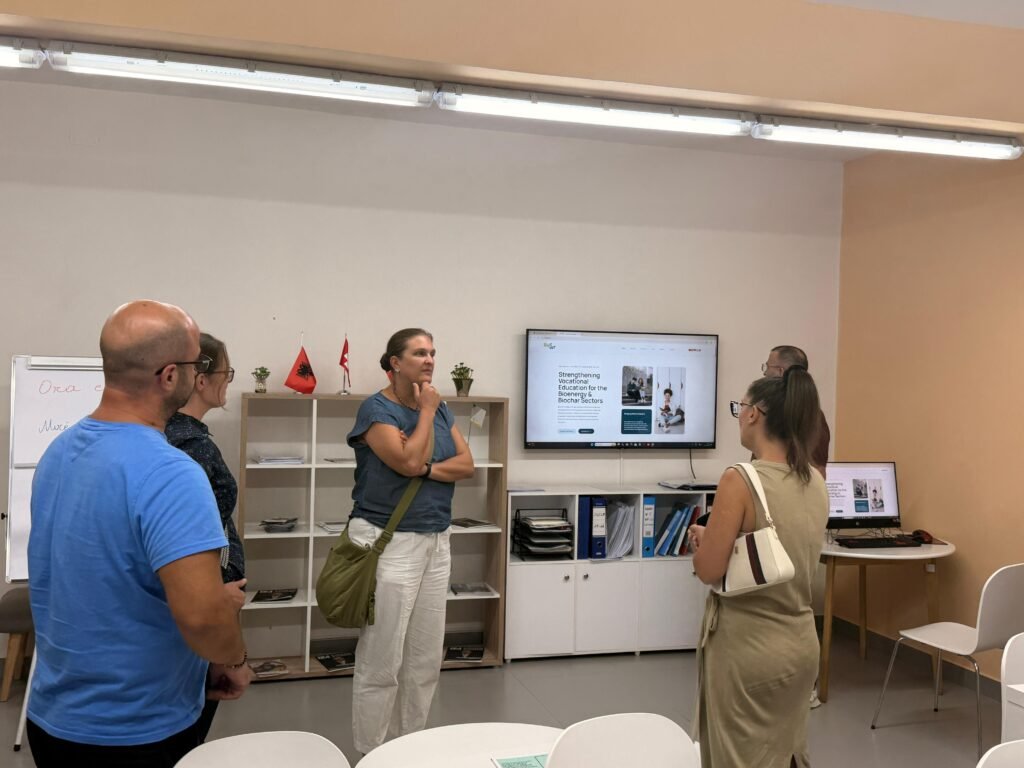
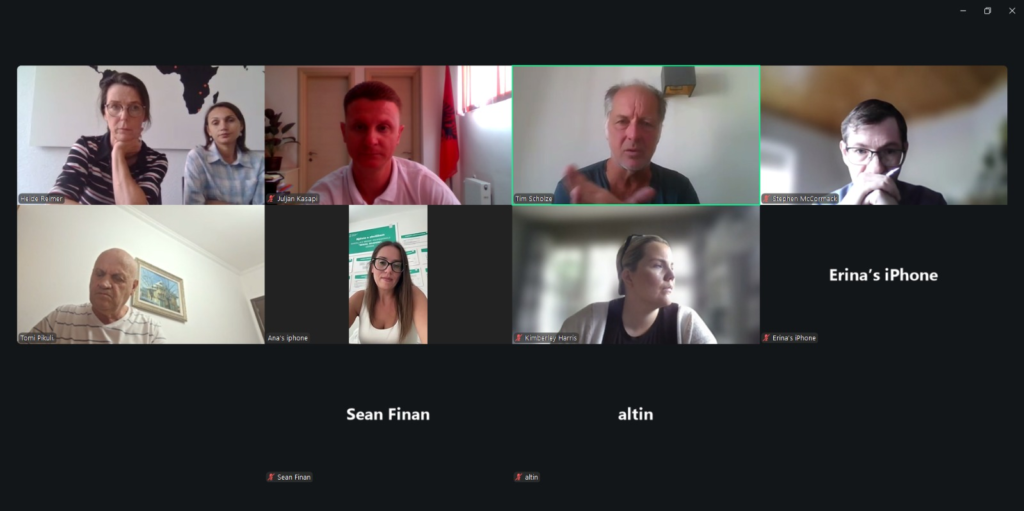
On 1 September 2026, the Albanian partners of the B4CVET project welcomed representatives of the Deutsche Bundesstiftung Umwelt (DBU – German Federal Environmental Foundation) for a meeting hosted at the Professional School of Elbasan. The meeting brought together representatives from the four Albanian B4CVET partner organisations: A&I Services & Consulting (Albania), Agriculture High School “Mihal Shahini” (Albania), Professional School of Elbasan (Albania), and AgriNet – Albania. It provided an important opportunity to present the progress of the B4CVET project, discuss the contribution of the Albanian partners, and exchange perspectives on the future development of vocational education and sustainable skills in Albania. During the discussion, the DBU representatives showed particular interest in learning more about how the B4CVET project is progressing and how the different partner organisations contribute to its implementation. The Albanian partners presented their respective roles and highlighted the importance of cooperation between vocational education institutions, businesses, civil society organisations, and other stakeholders in creating a stronger and more responsive VET ecosystem. The conversation also went beyond the current project activities. Participants exchanged views on Albania’s future development, the challenges and opportunities facing the country, and the role that vocational education and training can play in supporting a more sustainable and competitive economy. Particular attention was given to the importance of international cooperation and the opportunities that foreign and European funding programmes can create for Albanian institutions. The meeting also opened a valuable discussion on potential areas for further cooperation and future initiatives. Building strong international partnerships can support Albanian organisations in accessing knowledge, expertise, innovative approaches, and funding opportunities that contribute to long-term institutional development and sustainable impact. For the B4CVET partnership, exchanges of this kind are particularly valuable because they connect the work being carried out within the project with a broader international perspective. They also create opportunities to build new networks and explore how the results, experience, and partnerships developed through B4CVET can contribute to future initiatives in Albania. We would like to sincerely thank the representatives of the Deutsche Bundesstiftung Umwelt (DBU) for visiting the Professional School of Elbasan and for their interest in the B4CVET project and its Albanian partners. The open and constructive discussion was highly appreciated, and we look forward to exploring opportunities for continued dialogue, international cooperation, and future collaboration. DisclaimerCo-funded by the European Union. Views and opinions expressed are however those of the author(s) only and do not necessarily reflect those of the European Union or the European Education and Culture Executive Agency (EACEA). Neither the European Union nor EACEA can be held responsible for them.
Media coverage

B4CVET Monthly Meeting: Reviewing Progress and Preparing the Next Project Activities

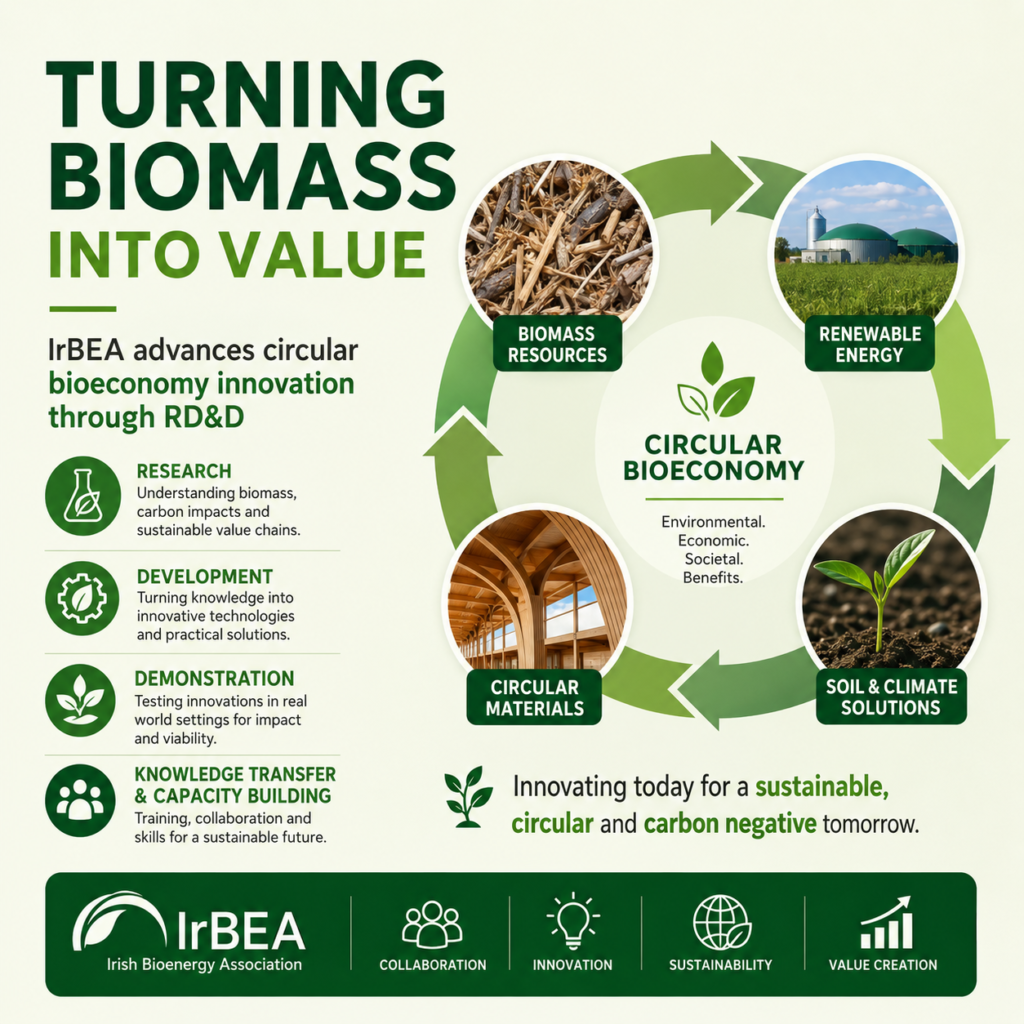
The B4CVET partnership recently held its monthly coordination meeting, bringing project partners together to review implementation progress, discuss forthcoming activities and coordinate the next stages of the project. The meeting provided an important opportunity for the consortium to assess the work completed so far and ensure that all partners remain aligned with the project’s objectives, timetable and expected results. Partners exchanged updates on their respective responsibilities, reviewed ongoing tasks and identified the main priorities for the upcoming implementation period. Monitoring the Project’s Progress A central point on the agenda was the overall progress of the B4CVET project. Partners discussed the status of current activities, the results achieved to date and the actions that still need to be completed. Regular monitoring and communication between partners are essential for ensuring the timely and effective implementation of the project. The monthly meeting therefore helped the consortium clarify responsibilities, coordinate contributions and agree on the next operational steps. Upcoming Events and Mobilities The partnership also discussed the events and international mobility activities planned for the coming months. These activities will create valuable opportunities for knowledge exchange, professional development and collaboration among vocational education and training institutions, experts and relevant stakeholders. Partners reviewed the preliminary organisational requirements for the upcoming activities, including expected participation, scheduling, coordination and the preparation of supporting materials. Further details will be agreed upon as the activities approach, ensuring that each event and mobility contributes directly to the objectives of B4CVET. Developing the Project’s Research Design A significant part of the meeting was dedicated to the project’s research design. The agreed research approach will combine three complementary methods to produce a comprehensive and evidence-based assessment of the Albanian vocational education and training sector. The first component will be desk research, which will examine existing policies, strategic documents, studies, statistical information and relevant good practices. This analysis will establish the broader context and help identify key trends, challenges and knowledge gaps. The second component will consist of a questionnaire addressed to Albanian stakeholders. It will collect perspectives from relevant actors within the VET ecosystem and provide structured information on current needs, experiences and priorities. The third component will involve interviews with selected stakeholders. These interviews will complement the questionnaire by generating more detailed qualitative insights into the challenges, opportunities and expectations of institutions and professionals working in or connected to vocational education and training. By combining desk research, questionnaires and interviews, the project will build a solid evidence base for its future activities and outputs. Moving Forward Together The meeting concluded with a shared understanding of the next tasks, partner responsibilities and upcoming deadlines. Through regular coordination and active cooperation, the B4CVET partnership continues to strengthen project implementation and ensure that its activities respond effectively to the needs of Albania’s VET sector. Further updates on the project’s research, events and mobility activities will be shared through the B4CVET website and social media channels. DisclaimerCo-funded by the European Union. Views and opinions expressed are however those of the author(s) only and do not necessarily reflect those of the European Union or the European Education and Culture Executive Agency (EACEA). Neither the European Union nor EACEA can be held responsible for them.

Turning Biomass into Value: How the Irish Bioenergy Association (IrBEA) is advancing Circular Bioeconomy Innovation through RD&D
Media coverage

Turning Biomass into Value: How the Irish Bioenergy Association (IrBEA) is advancing Circular Bioeconomy Innovation through RD&D

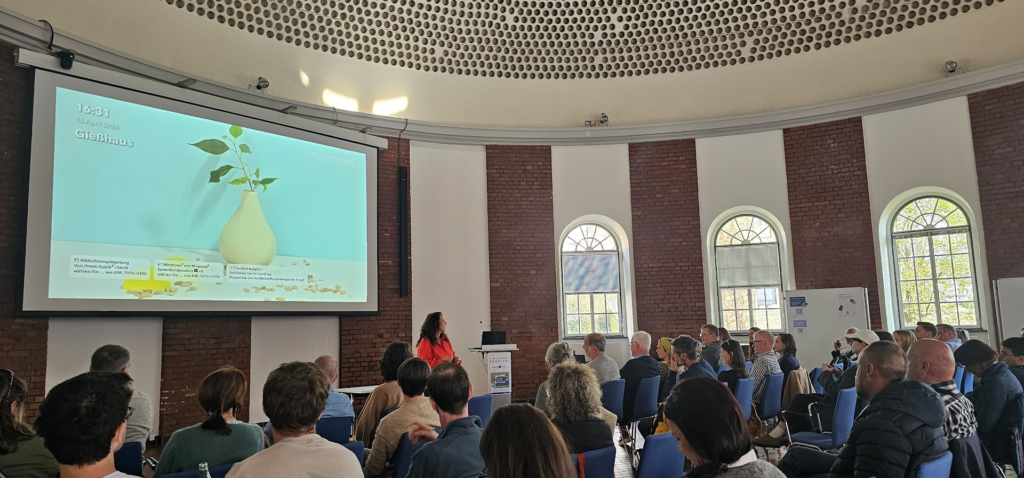
Research, Development and Demonstration (RD&D) activities play a critical role in accelerating the transition to a low-carbon, circular economy. Through a portfolio of national and European projects, the Irish Bioenergy Association (IrBEA) is working with industry, researchers, landowners and communities to develop innovative solutions that unlock greater value from biomass resources.  IrBEA’s RD&D programme focuses on transforming agricultural, horticultural and forestry residues into high-value products, renewable energy and carbon removal solutions. Through projects such as Interreg NWE’s CASCADE, C5, VALORANT, EU Just Transition Fund BIOCHAR and PPS BIOCHAR, IrBEA is investigating how biomass can be used more efficiently across multiple sectors including agriculture, horticulture, forestry systems, construction and biomaterials, biogas, biofuels, urban greening, water management and carbon negative energy systems.  Research activities provide the scientific foundation for understanding feedstock quality, carbon impacts and sustainable value chains. Development work then translates this knowledge into practical technologies and processes, including biochar production systems, circular construction materials, nutrient recovery pathways and decision-support tools.  A key aspect of IrBEA’s approach is demonstration. Working with partners across Ireland and Europe, the association is validating these innovations in real world settings. Current demonstration activities include biochar and bio-nutrient trials in commercial horticulture, biomass-to-biochar conversion systems, and the development of new circular construction materials derived from agricultural feedstocks. These pilots demonstrate the cascading use of biomass with the renewable energy system as a key component for residual biomass utilisation, a cornerstone of the bioeconomy. They also help assess technical performance, environmental benefits and commercial viability while supporting stakeholder confidence and market uptake.  Knowledge transfer and capacity building are central to all project activities. Through training programmes, workshops, stakeholder engagement and international collaboration and projects like the B4CVET, IrBEA is helping to build the skills and networks needed to support the growth of a sustainable bioeconomy. By connecting research with practical deployment, it’s RD&D activities are creating pathways for innovation that deliver environmental, economic and societal benefits across rural and regional communities. Through IrBEA’s RD&D activities, it has become evident over the last decade that there is an ongoing need for upskilling, knowledge transfer, continuous professional development and vocational education training to ensure that future generations of farmers, foresters, engineers and project developers are equipped with the relevant skills to continue to deliver on the opportunities that the bioeconomy can provide when exploring biomass to biochar value chains.  DisclaimerCo-funded by the European Union. Views and opinions expressed are however those of the author(s) only and do not necessarily reflect those of the European Union or the European Education and Culture Executive Agency (EACEA). Neither the European Union nor EACEA can be held responsible for them.
Media coverage

Why Green Skills Are Essential for the Future Workforce

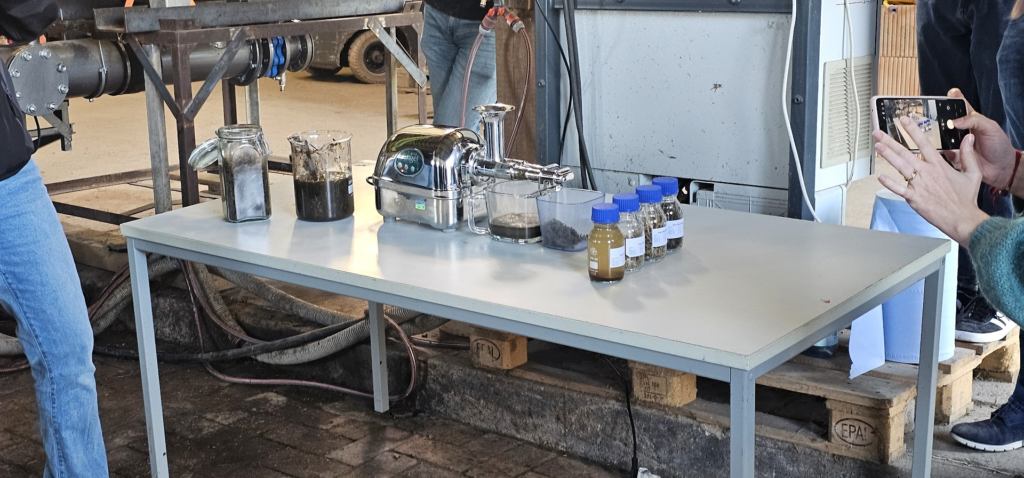
The transition towards a greener, more sustainable economy is transforming industries across Europe. From renewable energy and sustainable manufacturing to circular economy practices and resource-efficient technologies, employers are increasingly seeking professionals equipped with the knowledge and skills needed to support this transition. As a result, green skills have become one of the most important competencies for today’s learners and tomorrow’s workforce. Green skills encompass the technical knowledge, practical abilities, and environmental awareness required to develop, operate, and maintain sustainable technologies and processes. They also include problem-solving, innovation, digital competencies, and an understanding of how environmental sustainability can be integrated into everyday professional practice. These skills are no longer limited to environmental specialists—they are becoming essential across a wide range of occupations and economic sectors. Vocational Education and Training (VET) plays a crucial role in preparing learners for these emerging opportunities. By combining theoretical knowledge with practical, work-based learning, VET institutions are uniquely positioned to equip students with the competencies demanded by modern industries. As labour markets continue to evolve, vocational education must also adapt by integrating innovative teaching approaches, digital tools, and sustainability-focused content into its programmes. The bioenergy sector is a clear example of an industry experiencing rapid growth while requiring a highly skilled workforce. As Europe accelerates its transition towards renewable energy sources, there is increasing demand for technicians, operators, engineers, and other professionals capable of working with sustainable energy technologies. Developing these competences requires close collaboration between education providers, businesses, researchers, and policymakers to ensure that training reflects real labour market needs. The B4CVET – Bridges for Capacity Building in Vocational Education and Training project contributes to this objective by strengthening the capacity of vocational education providers and promoting innovative approaches to skills development within the bioenergy sector. Through international cooperation, knowledge exchange, and the development of modern educational resources, the project aims to support VET institutions in preparing learners for the green economy while fostering stronger links between education and industry. Investing in green skills is not only an investment in employability—it is an investment in Europe’s sustainable future. By empowering learners with the competencies required for emerging industries, vocational education can help build a resilient workforce capable of addressing environmental challenges, supporting economic growth, and driving innovation. As Europe continues its green transition, initiatives such as B4CVET demonstrate how international collaboration and high-quality vocational education can contribute to a more sustainable, competitive, and inclusive future. Preparing today’s learners with the right skills will ensure they are ready to become tomorrow’s professionals, innovators, and leaders in the green economy. DisclaimerCo-funded by the European Union. Views and opinions expressed are however those of the author(s) only and do not necessarily reflect those of the European Union or the European Education and Culture Executive Agency (EACEA). Neither the European Union nor EACEA can be held responsible for them.
Biomass
Media coverage

Building Stronger Connections Between VET and Industry in the Bioenergy Sector

A successful green transition depends not only on technological innovation but also on a skilled workforce capable of implementing sustainable solutions. To achieve this, stronger cooperation between Vocational Education and Training (VET) institutions and industry is essential. Employers increasingly require workers who possess both technical expertise and practical experience. At the same time, educational institutions must ensure that their programmes remain aligned with evolving labour market demands. Close collaboration helps bridge this gap. In the bioenergy sector, cooperation between education providers and businesses can take many forms. These include internships, apprenticeships, work-based learning opportunities, curriculum development, guest lectures, and joint innovation projects. Such partnerships benefit all stakeholders. Students gain valuable hands-on experience and improve their employability. Businesses gain access to a pipeline of qualified professionals with relevant skills. Educational institutions receive direct feedback that helps improve training quality and relevance. The bioenergy and biochar sectors are evolving rapidly due to technological developments, environmental regulations, and changing market needs. Continuous dialogue between VET providers and industry ensures that training programmes remain responsive and future-oriented. The B4CVET project actively promotes collaboration among educational institutions, businesses, and sector experts across Europe. By sharing knowledge and best practices, project partners contribute to the development of innovative training approaches that support both learners and employers. Stronger connections between education and industry create a foundation for sustainable growth. By working together, stakeholders can develop the skills, innovation, and expertise required to support the future of bioenergy, biochar, and the broader green economy. DisclaimerCo-funded by the European Union. Views and opinions expressed are however those of the author(s) only and do not necessarily reflect those of the European Union or the European Education and Culture Executive Agency (EACEA). Neither the European Union nor EACEA can be held responsible for them.
Biomass
Media coverage, Study visits, Trainings

Why Bioenergy and Biochar Matter for Europe’s Green Transition

Europe has committed to ambitious climate and sustainability targets aimed at reducing greenhouse gas emissions and achieving climate neutrality. To reach these goals, innovative solutions are needed across multiple sectors. Bioenergy and biochar are among the technologies that can make a significant contribution to this transition. Bioenergy is produced from renewable biological materials such as agricultural residues, forestry by-products, and organic waste. Unlike fossil fuels, these resources can be replenished and managed sustainably. Bioenergy helps diversify energy sources and supports energy security while reducing environmental impacts. Biochar complements bioenergy by providing additional environmental benefits. Produced during biomass conversion processes, biochar captures carbon in a stable form and can be used to improve agricultural soils. This creates a unique opportunity to combine renewable energy production with carbon sequestration and sustainable land management. Together, bioenergy and biochar support several European policy priorities, including climate action, resource efficiency, circular economy development, and sustainable agriculture. The expansion of these sectors also creates new employment opportunities. Skilled workers are needed in biomass collection, processing, technology operation, environmental management, and research activities. This increases the importance of vocational education and training. Through the B4CVET project, partners from different European countries are working together to strengthen vocational education for the bioenergy and biochar sectors. The project aims to equip learners and professionals with the competences needed to succeed in a rapidly evolving labour market. Europe’s green transition requires both technological innovation and human capital. Bioenergy and biochar provide practical solutions that support environmental sustainability while creating opportunities for economic growth and employment. DisclaimerCo-funded by the European Union. Views and opinions expressed are however those of the author(s) only and do not necessarily reflect those of the European Union or the European Education and Culture Executive Agency (EACEA). Neither the European Union nor EACEA can be held responsible for them.
Biomass
Media coverage

The Circular Carbon Economy: From Biomass to Innovation

The concept of a Circular Carbon Economy is gaining increasing attention as countries seek sustainable solutions to climate change and resource management. Unlike traditional linear economic models, which follow a “take, make, dispose” approach, the circular carbon economy focuses on reducing, reusing, recycling, and removing carbon in productive ways. Biomass plays a central role in this model. Agricultural residues, forestry by-products, and organic waste contain valuable carbon that can be recovered and reused rather than wasted. Through innovative technologies such as pyrolysis, biomass can be converted into products including biochar, renewable energy, and other bio-based materials. These products contribute to environmental sustainability while creating economic value. Biochar is a particularly important component of the circular carbon economy. It allows carbon from biomass to be stored safely in soils for long periods, helping to reduce atmospheric carbon dioxide levels. At the same time, it improves soil health and supports sustainable agricultural production. Innovation is essential to unlocking the full potential of biomass resources. Researchers, businesses, policymakers, and educational institutions must work together to develop technologies, business models, and training programmes that support sustainable growth. The B4CVET project contributes to this effort by promoting vocational education in bioenergy and biochar-related fields. By equipping learners with practical and relevant skills, the project helps build the workforce needed to support Europe’s green transition. The circular carbon economy demonstrates that environmental sustainability and economic development can go hand in hand. By transforming biomass into valuable products and services, communities can create jobs, reduce emissions, and build a more sustainable future. DisclaimerCo-funded by the European Union. Views and opinions expressed are however those of the author(s) only and do not necessarily reflect those of the European Union or the European Education and Culture Executive Agency (EACEA). Neither the European Union nor EACEA can be held responsible for them.

Using biochar to produce furniture
Media coverage

Green Skills for the Future: Preparing VET Learners for the Bioeconomy

The transition towards a sustainable economy is transforming industries across Europe. As businesses adopt greener practices and governments implement ambitious environmental policies, the demand for workers with green skills continues to grow. Green skills refer to the knowledge, competencies, values, and attitudes needed to support sustainable development. They enable individuals to contribute to resource efficiency, environmental protection, climate action, and innovation within their professions. Vocational Education and Training (VET) institutions have a crucial role in preparing learners for these changes. By integrating sustainability topics into curricula and practical training, VET providers can equip students with the competences required in emerging sectors such as renewable energy, bioenergy, circular economy, and environmental management. The bioeconomy offers significant opportunities for employment and innovation. It focuses on the sustainable use of biological resources to produce food, materials, energy, and other products. As this sector expands, employers increasingly seek professionals who understand sustainability principles and can apply them in real-world situations. Learners need both technical and transversal skills. Technical skills may include biomass processing, renewable energy systems, environmental monitoring, and biochar production. Equally important are problem-solving, critical thinking, teamwork, entrepreneurship, and digital competences. The B4CVET project aims to support this transformation by developing educational resources and strengthening cooperation between vocational education providers and industry stakeholders. Through international collaboration, the project helps ensure that training programmes remain relevant to labour market needs. Investing in green skills today means investing in a more resilient and sustainable future. By empowering learners with the right competences, vocational education can become a driving force for innovation, competitiveness, and environmental responsibility throughout Europe. DisclaimerCo-funded by the European Union. Views and opinions expressed are however those of the author(s) only and do not necessarily reflect those of the European Union or the European Education and Culture Executive Agency (EACEA). Neither the European Union nor EACEA can be held responsible for them.

Co funded by EU

Co-funded by the European Union. Views and opinions expressed are however those of the author(s) only and do not necessarily reflect those of the European Union or the European Education and Culture Executive Agency (EACEA). Neither the European Union nor EACEA can be held responsible for them.

© B4CVET – 2026

Scroll to Top