Media coverage

Media coverage

Why Green Skills Are Essential for the Future Workforce

The transition towards a greener, more sustainable economy is transforming industries across Europe. From renewable energy and sustainable manufacturing to circular economy practices and resource-efficient technologies, employers are increasingly seeking professionals equipped with the knowledge and skills needed to support this transition. As a result, green skills have become one of the most important competencies for today’s learners and tomorrow’s workforce. Green skills encompass the technical knowledge, practical abilities, and environmental awareness required to develop, operate, and maintain sustainable technologies and processes. They also include problem-solving, innovation, digital competencies, and an understanding of how environmental sustainability can be integrated into everyday professional practice. These skills are no longer limited to environmental specialists—they are becoming essential across a wide range of occupations and economic sectors. Vocational Education and Training (VET) plays a crucial role in preparing learners for these emerging opportunities. By combining theoretical knowledge with practical, work-based learning, VET institutions are uniquely positioned to equip students with the competencies demanded by modern industries. As labour markets continue to evolve, vocational education must also adapt by integrating innovative teaching approaches, digital tools, and sustainability-focused content into its programmes. The bioenergy sector is a clear example of an industry experiencing rapid growth while requiring a highly skilled workforce. As Europe accelerates its transition towards renewable energy sources, there is increasing demand for technicians, operators, engineers, and other professionals capable of working with sustainable energy technologies. Developing these competences requires close collaboration between education providers, businesses, researchers, and policymakers to ensure that training reflects real labour market needs. The B4CVET – Bridges for Capacity Building in Vocational Education and Training project contributes to this objective by strengthening the capacity of vocational education providers and promoting innovative approaches to skills development within the bioenergy sector. Through international cooperation, knowledge exchange, and the development of modern educational resources, the project aims to support VET institutions in preparing learners for the green economy while fostering stronger links between education and industry. Investing in green skills is not only an investment in employability—it is an investment in Europe’s sustainable future. By empowering learners with the competencies required for emerging industries, vocational education can help build a resilient workforce capable of addressing environmental challenges, supporting economic growth, and driving innovation. As Europe continues its green transition, initiatives such as B4CVET demonstrate how international collaboration and high-quality vocational education can contribute to a more sustainable, competitive, and inclusive future. Preparing today’s learners with the right skills will ensure they are ready to become tomorrow’s professionals, innovators, and leaders in the green economy. DisclaimerCo-funded by the European Union. Views and opinions expressed are however those of the author(s) only and do not necessarily reflect those of the European Union or the European Education and Culture Executive Agency (EACEA). Neither the European Union nor EACEA can be held responsible for them.

Biomass
Media coverage

Building Stronger Connections Between VET and Industry in the Bioenergy Sector

A successful green transition depends not only on technological innovation but also on a skilled workforce capable of implementing sustainable solutions. To achieve this, stronger cooperation between Vocational Education and Training (VET) institutions and industry is essential. Employers increasingly require workers who possess both technical expertise and practical experience. At the same time, educational institutions must ensure that their programmes remain aligned with evolving labour market demands. Close collaboration helps bridge this gap. In the bioenergy sector, cooperation between education providers and businesses can take many forms. These include internships, apprenticeships, work-based learning opportunities, curriculum development, guest lectures, and joint innovation projects. Such partnerships benefit all stakeholders. Students gain valuable hands-on experience and improve their employability. Businesses gain access to a pipeline of qualified professionals with relevant skills. Educational institutions receive direct feedback that helps improve training quality and relevance. The bioenergy and biochar sectors are evolving rapidly due to technological developments, environmental regulations, and changing market needs. Continuous dialogue between VET providers and industry ensures that training programmes remain responsive and future-oriented. The B4CVET project actively promotes collaboration among educational institutions, businesses, and sector experts across Europe. By sharing knowledge and best practices, project partners contribute to the development of innovative training approaches that support both learners and employers. Stronger connections between education and industry create a foundation for sustainable growth. By working together, stakeholders can develop the skills, innovation, and expertise required to support the future of bioenergy, biochar, and the broader green economy. DisclaimerCo-funded by the European Union. Views and opinions expressed are however those of the author(s) only and do not necessarily reflect those of the European Union or the European Education and Culture Executive Agency (EACEA). Neither the European Union nor EACEA can be held responsible for them.
Biomass
Media coverage, Study visits, Trainings

Why Bioenergy and Biochar Matter for Europe’s Green Transition

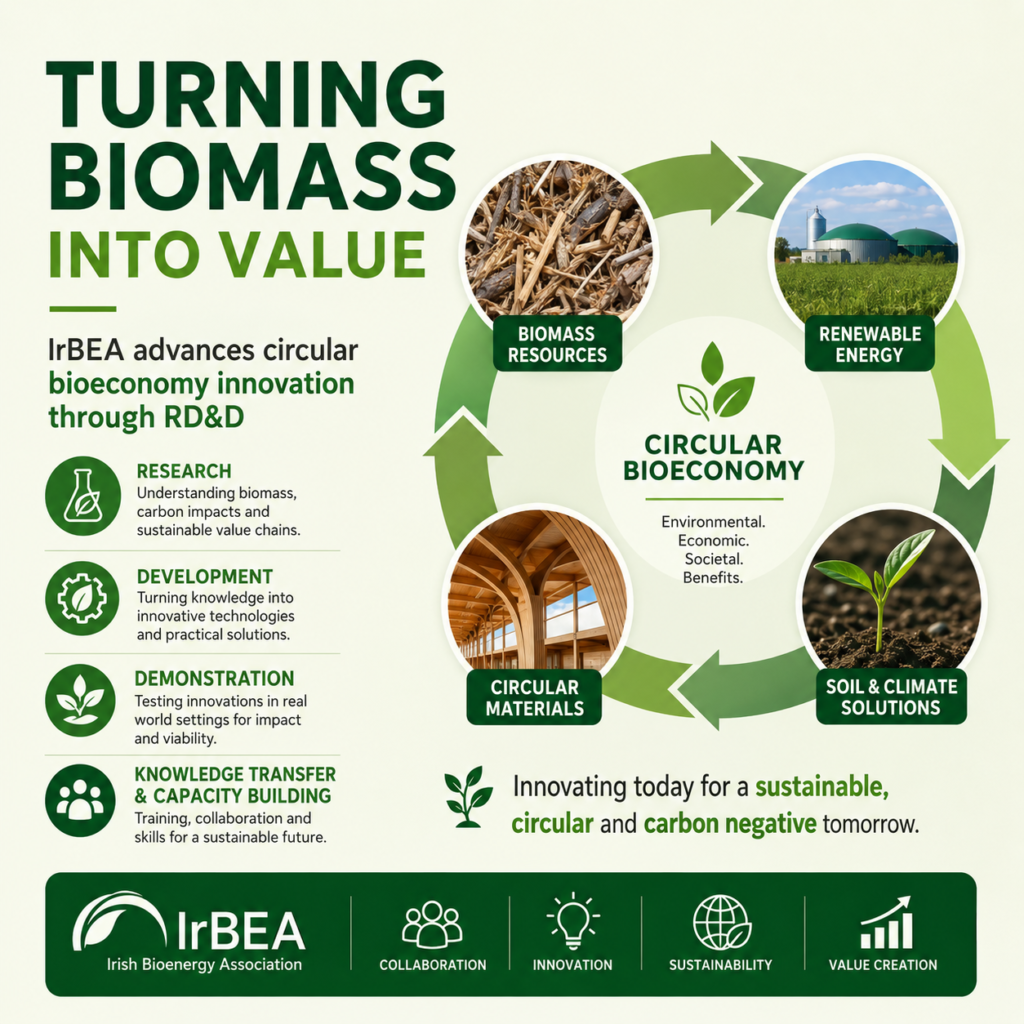
Europe has committed to ambitious climate and sustainability targets aimed at reducing greenhouse gas emissions and achieving climate neutrality. To reach these goals, innovative solutions are needed across multiple sectors. Bioenergy and biochar are among the technologies that can make a significant contribution to this transition. Bioenergy is produced from renewable biological materials such as agricultural residues, forestry by-products, and organic waste. Unlike fossil fuels, these resources can be replenished and managed sustainably. Bioenergy helps diversify energy sources and supports energy security while reducing environmental impacts. Biochar complements bioenergy by providing additional environmental benefits. Produced during biomass conversion processes, biochar captures carbon in a stable form and can be used to improve agricultural soils. This creates a unique opportunity to combine renewable energy production with carbon sequestration and sustainable land management. Together, bioenergy and biochar support several European policy priorities, including climate action, resource efficiency, circular economy development, and sustainable agriculture. The expansion of these sectors also creates new employment opportunities. Skilled workers are needed in biomass collection, processing, technology operation, environmental management, and research activities. This increases the importance of vocational education and training. Through the B4CVET project, partners from different European countries are working together to strengthen vocational education for the bioenergy and biochar sectors. The project aims to equip learners and professionals with the competences needed to succeed in a rapidly evolving labour market. Europe’s green transition requires both technological innovation and human capital. Bioenergy and biochar provide practical solutions that support environmental sustainability while creating opportunities for economic growth and employment. DisclaimerCo-funded by the European Union. Views and opinions expressed are however those of the author(s) only and do not necessarily reflect those of the European Union or the European Education and Culture Executive Agency (EACEA). Neither the European Union nor EACEA can be held responsible for them.
Biomass
Media coverage

The Circular Carbon Economy: From Biomass to Innovation

The concept of a Circular Carbon Economy is gaining increasing attention as countries seek sustainable solutions to climate change and resource management. Unlike traditional linear economic models, which follow a “take, make, dispose” approach, the circular carbon economy focuses on reducing, reusing, recycling, and removing carbon in productive ways. Biomass plays a central role in this model. Agricultural residues, forestry by-products, and organic waste contain valuable carbon that can be recovered and reused rather than wasted. Through innovative technologies such as pyrolysis, biomass can be converted into products including biochar, renewable energy, and other bio-based materials. These products contribute to environmental sustainability while creating economic value. Biochar is a particularly important component of the circular carbon economy. It allows carbon from biomass to be stored safely in soils for long periods, helping to reduce atmospheric carbon dioxide levels. At the same time, it improves soil health and supports sustainable agricultural production. Innovation is essential to unlocking the full potential of biomass resources. Researchers, businesses, policymakers, and educational institutions must work together to develop technologies, business models, and training programmes that support sustainable growth. The B4CVET project contributes to this effort by promoting vocational education in bioenergy and biochar-related fields. By equipping learners with practical and relevant skills, the project helps build the workforce needed to support Europe’s green transition. The circular carbon economy demonstrates that environmental sustainability and economic development can go hand in hand. By transforming biomass into valuable products and services, communities can create jobs, reduce emissions, and build a more sustainable future. DisclaimerCo-funded by the European Union. Views and opinions expressed are however those of the author(s) only and do not necessarily reflect those of the European Union or the European Education and Culture Executive Agency (EACEA). Neither the European Union nor EACEA can be held responsible for them.

Using biochar to produce furniture
Media coverage

Green Skills for the Future: Preparing VET Learners for the Bioeconomy

The transition towards a sustainable economy is transforming industries across Europe. As businesses adopt greener practices and governments implement ambitious environmental policies, the demand for workers with green skills continues to grow. Green skills refer to the knowledge, competencies, values, and attitudes needed to support sustainable development. They enable individuals to contribute to resource efficiency, environmental protection, climate action, and innovation within their professions. Vocational Education and Training (VET) institutions have a crucial role in preparing learners for these changes. By integrating sustainability topics into curricula and practical training, VET providers can equip students with the competences required in emerging sectors such as renewable energy, bioenergy, circular economy, and environmental management. The bioeconomy offers significant opportunities for employment and innovation. It focuses on the sustainable use of biological resources to produce food, materials, energy, and other products. As this sector expands, employers increasingly seek professionals who understand sustainability principles and can apply them in real-world situations. Learners need both technical and transversal skills. Technical skills may include biomass processing, renewable energy systems, environmental monitoring, and biochar production. Equally important are problem-solving, critical thinking, teamwork, entrepreneurship, and digital competences. The B4CVET project aims to support this transformation by developing educational resources and strengthening cooperation between vocational education providers and industry stakeholders. Through international collaboration, the project helps ensure that training programmes remain relevant to labour market needs. Investing in green skills today means investing in a more resilient and sustainable future. By empowering learners with the right competences, vocational education can become a driving force for innovation, competitiveness, and environmental responsibility throughout Europe. DisclaimerCo-funded by the European Union. Views and opinions expressed are however those of the author(s) only and do not necessarily reflect those of the European Union or the European Education and Culture Executive Agency (EACEA). Neither the European Union nor EACEA can be held responsible for them.
Biomass
Media coverage

Biochar: Turning Agricultural Waste into Sustainable Opportunities

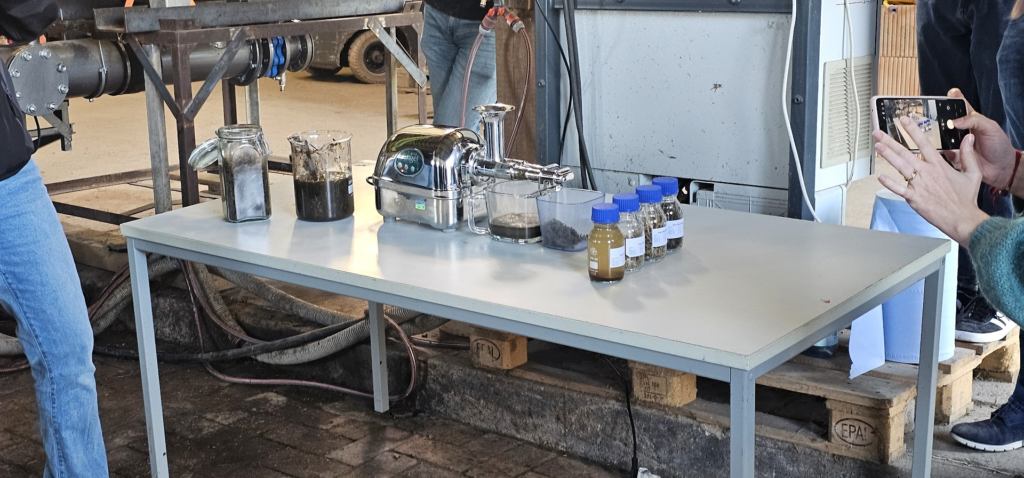
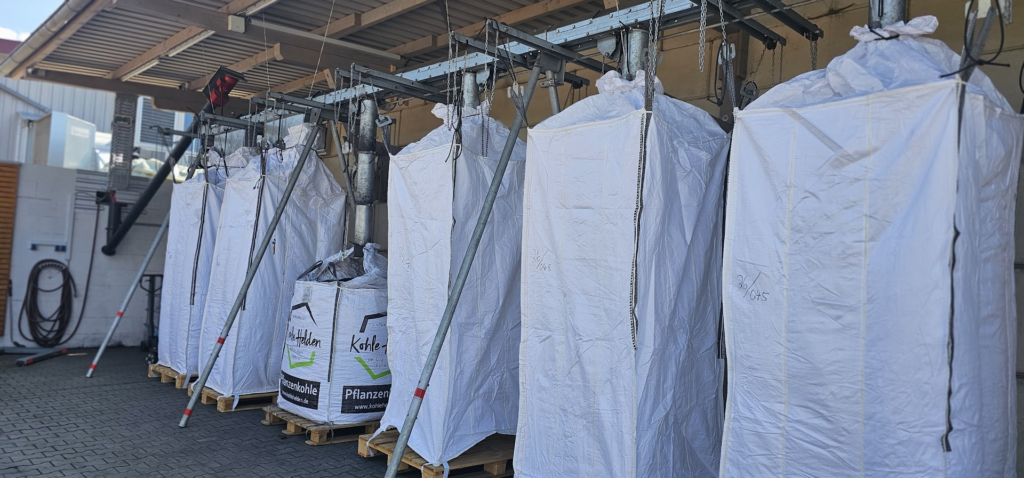
Across Europe, millions of tonnes of agricultural residues are generated every year. Crop residues, pruning waste, and other organic materials are often underutilized or disposed of in ways that provide limited environmental or economic value. However, innovative solutions are emerging to transform these materials into valuable resources. One of the most promising of these solutions is biochar. Biochar is a carbon-rich material produced through the thermal conversion of biomass in a low-oxygen environment, a process known as pyrolysis. Rather than allowing agricultural waste to decompose or be burned openly, biomass can be converted into biochar and used in a variety of sustainable applications. One of the main benefits of biochar is its ability to improve soil quality. When added to agricultural land, biochar can enhance soil structure, increase water retention, and improve nutrient availability for plants. This helps farmers improve productivity while reducing dependence on chemical inputs. Biochar also plays an important role in climate action. Because it stores carbon in a stable form for long periods, it contributes to carbon sequestration and helps reduce greenhouse gas emissions. This makes biochar an important tool in supporting Europe’s environmental and climate goals. Beyond agriculture, biochar creates new economic opportunities. As demand grows for sustainable products and green technologies, new jobs and business models are emerging in biomass collection, processing, production, and environmental services. The B4CVET project recognizes the importance of preparing learners and professionals for these emerging opportunities. By strengthening vocational education and training in the bioenergy and biochar sectors, the project supports the development of the skills needed for the green transition. Through education, innovation, and collaboration, agricultural waste can become a valuable resource that supports sustainability, economic growth, and environmental protection. Biochar demonstrates how circular economy principles can transform challenges into opportunities for communities across Europe. DisclaimerCo-funded by the European Union. Views and opinions expressed are however those of the author(s) only and do not necessarily reflect those of the European Union or the European Education and Culture Executive Agency (EACEA). Neither the European Union nor EACEA can be held responsible for them.
Media coverage

B4CVET Project Meeting – Advancing Green Skills in VET

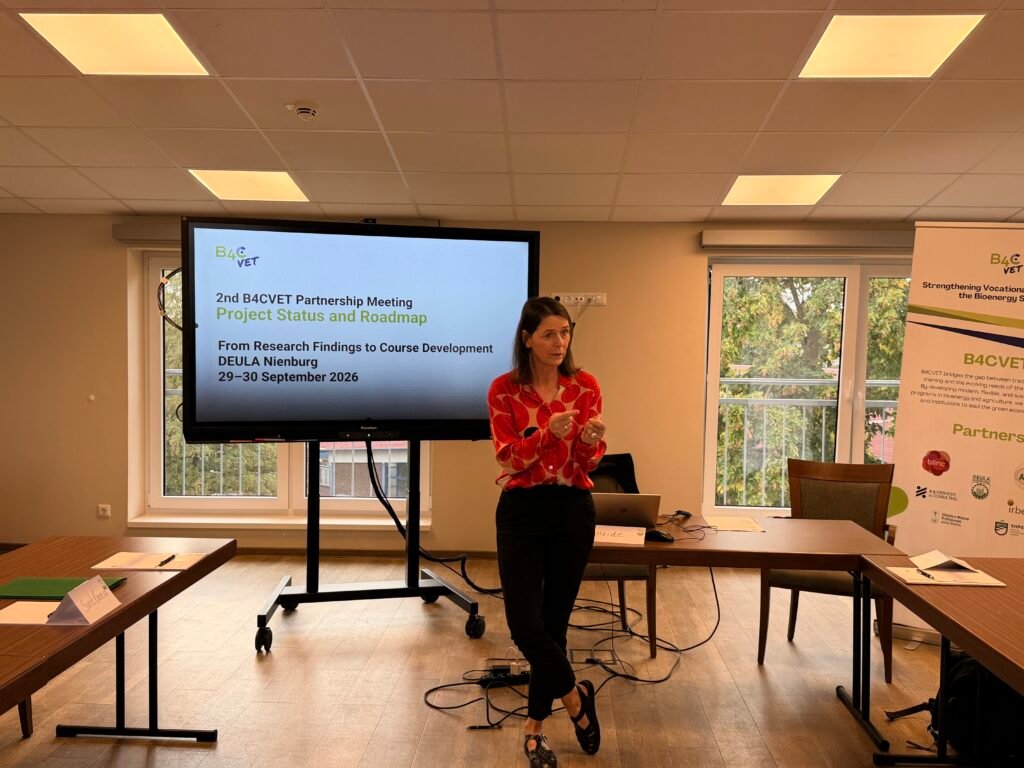
On 30 April 2026, partners of the B4CVET project convened for a strategic project meeting, marking another important milestone in the implementation of this forward-looking Erasmus+ initiative. The meeting brought together representatives from partner organisations across Europe, all aligned around a shared objective: strengthening vocational education and training (VET) systems through the integration of green skills, circular economy principles, and innovative learning approaches. The session focused on reviewing the progress achieved to date and ensuring alignment across all Work Packages. Particular attention was given to the ongoing development of training content and methodologies that support bioenergy and biochar-related competencies—areas identified as critical for the future labour market. Partners exchanged updates on national-level activities, highlighting both achievements and operational challenges, with a strong emphasis on maintaining quality and consistency across outputs. A key component of the meeting was the discussion on capacity building and curriculum development. Partners explored how to effectively integrate project results into existing VET programmes, ensuring long-term sustainability and real impact. The importance of aligning training materials with labour market needs was underlined, reinforcing the project’s commitment to bridging the gap between education and industry. In addition, the consortium reviewed upcoming activities, including pilot implementations, stakeholder engagement actions, and dissemination efforts under the project’s valorisation strategy. The role of communication and visibility was emphasized as a critical success factor, with partners encouraged to actively promote project results at local, national, and European levels. From a governance perspective, the meeting ensured that all partners remain on track with timelines, deliverables, and reporting requirements. Open dialogue and collaborative problem-solving once again demonstrated the strength of the consortium and its ability to navigate complex project dynamics. Overall, the B4CVET meeting of 30 April 2026 reinforced a clear strategic direction: delivering practical, scalable, and market-relevant solutions for greener VET systems. As the project progresses, the focus remains on creating tangible impact—equipping learners, educators, and institutions with the skills and tools needed to contribute to a more sustainable and resilient future. DisclaimerCo-funded by the European Union. Views and opinions expressed are however those of the author(s) only and do not necessarily reflect those of the European Union or the European Education and Culture Executive Agency (EACEA). Neither the European Union nor EACEA can be held responsible for them.
Three C Conference
Kick-off meeting, Media coverage

B4C VET Project Kick-Off: Building the Foundation for Sustainable VET Innovation

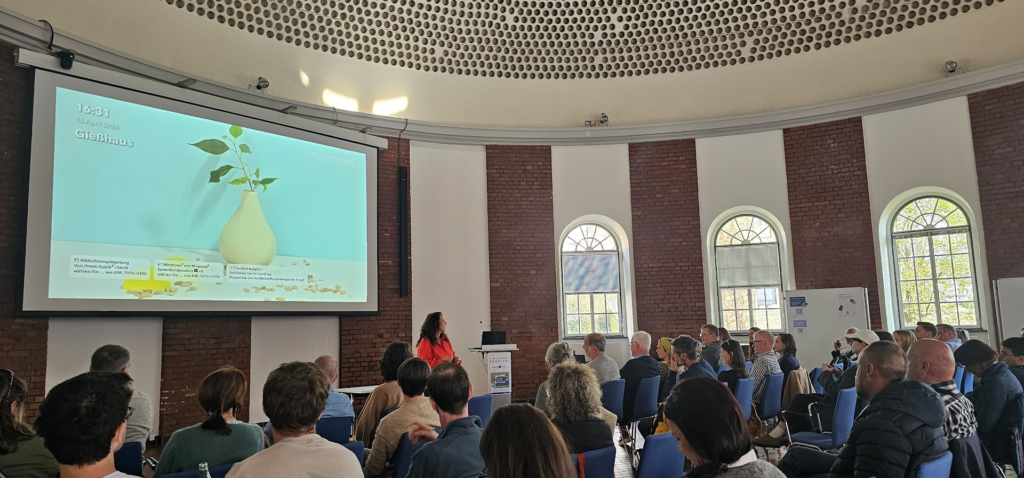
The B4C VET project officially launched with a successful kick-off meeting held in Kassel, Germany, marking the beginning of a strategic collaboration among partners committed to advancing vocational education and training (VET) through sustainability, innovation, and cross-sector cooperation. Hosted at the University of Kassel, the meeting brought together consortium members to align on the project’s vision, objectives, and implementation roadmap. The session focused on establishing a clear governance structure, defining roles and responsibilities, and ensuring a shared understanding of expected outcomes. A strong emphasis was placed on results-driven delivery, with partners engaging in structured working groups to initiate the first steps of implementation. According to the programme, participants worked on developing practical application cases, including cost calculations and CO₂ reduction potential, setting a clear direction for impact-oriented outputs . The kick-off meeting was not limited to administrative coordination. It also created a collaborative environment for knowledge exchange, allowing partners to identify synergies, share expertise, and define common methodologies. This approach ensures that the project moves forward with coherence, efficiency, and a strong partnership dynamic. In parallel to the project launch, partners had the opportunity to participate in the THREE C Network Conference 2026, a high-level international event dedicated to the Circular Carbon Economy (CCE). The conference explored innovative solutions for transforming biomass into sustainable resources and highlighted how circular systems can contribute to reducing emissions while generating economic value. It brought together experts, practitioners, and stakeholders from across Europe to exchange ideas, develop practical approaches, and foster new collaborations . The combination of the B4C VET kick-off meeting and participation in the THREE C conference created a powerful starting point for the project. Partners gained valuable insights into emerging trends, technologies, and policy directions that will directly inform the project’s development and outputs. As B4C VET moves into its implementation phase, the consortium is well-positioned to deliver innovative solutions that strengthen VET systems, support green and digital transitions, and create tangible impact for learners, educators, and the labour market. Disclaimer Funded by the European Union. Views and opinions expressed are however those of the author(s) only and do not necessarily reflect those of the European Union or the European Education and Culture Executive Agency (EACEA). Neither the European Union nor EACEA can be held responsible for them.
Co-funded by the European Union. Views and opinions expressed are however those of the author(s) only and do not necessarily reflect those of the European Union or the European Education and Culture Executive Agency (EACEA). Neither the European Union nor EACEA can be held responsible for them.

© B4CVET – 2026

Scroll to Top
